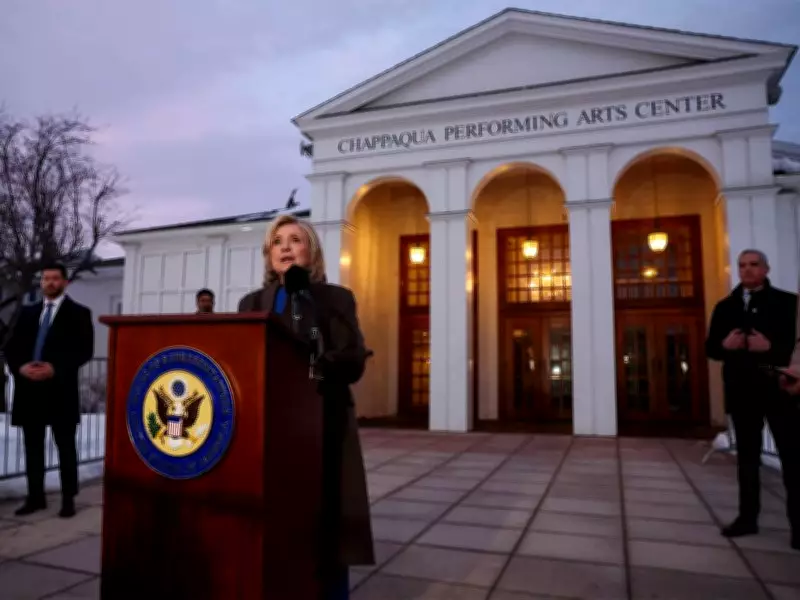
Hillary Clinton Denies Knowledge of Epstein Crimes in House Testimony
Former Secretary of State and 2016 presidential candidate Hillary Clinton appeared before a House committee on Wednesday, where she firmly denied having any prior knowledge of the criminal activities of the late financier Jeffrey Epstein. During the testimony, Clinton stated she had "nothing to add" regarding Epstein's crimes, emphasizing her lack of awareness about his illicit behavior.
Clinton's Testimony Details
In her sworn statement, Clinton addressed questions from lawmakers about her connections to Epstein, who was convicted of sex trafficking and died in jail in 2019. She described Epstein's actions as "horrific" and condemned his exploitation of young women. Clinton clarified that any interactions she had with Epstein were limited to social or philanthropic events, and she was unaware of the extent of his criminal conduct until it became public through media reports and legal proceedings.
Context of the Hearing
The House committee hearing focused on investigating Epstein's network and potential enablers, as part of broader efforts to uncover accountability in high-profile sex trafficking cases. Clinton's testimony was part of a series of interviews with public figures linked to Epstein, aiming to shed light on how his crimes went undetected for years. Lawmakers pressed Clinton on whether she had received any warnings or information about Epstein, to which she repeatedly asserted her ignorance.

Reactions and Implications
Political analysts note that Clinton's denial aligns with her previous public statements distancing herself from Epstein. The testimony has sparked discussions about the role of powerful individuals in overlooking or enabling such crimes. Critics argue that more transparency is needed, while supporters of Clinton highlight her cooperation with the investigation as a step toward justice for Epstein's victims.
This development comes amid ongoing legal battles and public scrutiny over Epstein's associates, with the hearing expected to influence future legislative actions on sex trafficking prevention.