House Delivers Bipartisan Rebuke to Trump's Tariff Strategy
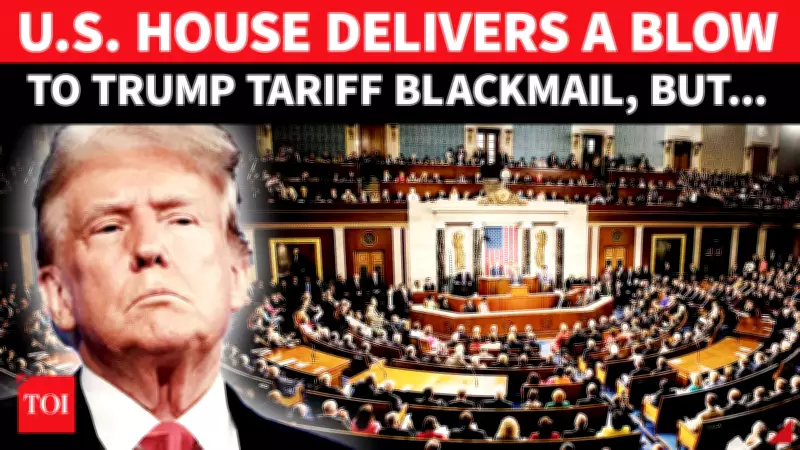
In a significant political development, the U.S. House of Representatives has delivered a rare bipartisan rebuke to President Donald Trump's trade policies. Lawmakers voted 219-211 to pass a resolution challenging tariffs imposed on Canada, marking a notable moment of cross-party cooperation in a deeply divided Congress.
Republican Defections Signal Internal Dissent
The vote saw several Republican members break ranks with their party's leadership and the White House to join Democratic colleagues in opposing the tariff measures. This defection represents more than just procedural disagreement—it signals growing internal dissent within the GOP regarding the administration's aggressive trade strategy and its reliance on national emergency declarations to implement economic policies.
The resolution specifically targets the legal foundation of the tariffs, challenging the national emergency declaration that President Trump used to justify the trade restrictions against Canada. While the measure represents a symbolic victory for tariff opponents, legislative experts note that it is unlikely to fully overturn the tariffs without the president's direct support or a veto-proof majority in both chambers of Congress.

White House Responds With Political Warning
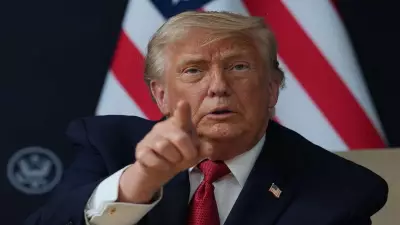
President Trump responded swiftly to the House vote, issuing a political warning to the Republican lawmakers who sided with Democrats. The president's reaction underscores the high-stakes nature of trade policy within his administration and suggests potential political consequences for those who challenge his economic agenda.
The bipartisan opposition comes as businesses and consumers continue to feel the strain of ongoing trade tensions between the United States and its northern neighbor. Many American industries that rely on cross-border supply chains have reported increased costs and operational challenges since the tariffs were implemented, adding economic pressure to the political calculus.
Uncertain Path Forward in Senate
With the House resolution now passed, attention turns to the U.S. Senate, where the measure's prospects remain uncertain amid persistent partisan divisions. Senate leadership must decide whether to bring the resolution to a floor vote, knowing that similar Republican defections could potentially deliver another rebuke to the administration's trade agenda.
The Senate's consideration of the House resolution will test whether bipartisan opposition to the tariffs extends beyond the lower chamber. Political observers are watching closely to see if moderate Republicans in the Senate will follow their House colleagues in challenging the president's trade authority, or if party loyalty will prevail in the upper chamber.
This legislative challenge to presidential trade authority represents one of the most significant bipartisan actions in recent congressional history, highlighting how economic concerns can sometimes transcend traditional party lines in Washington. The outcome could set important precedents for how future administrations use emergency powers to implement economic policies without explicit congressional approval.