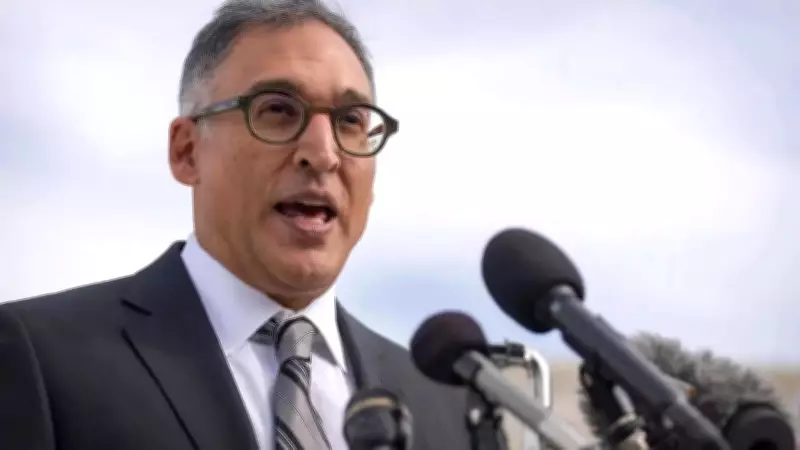
Indian-American Attorney Neal Katyal Achieves Historic Legal Triumph Over Trump Administration
In a landmark ruling that reverberated through Washington and global trade circles, the United States Supreme Court delivered a decisive 6-3 verdict, striking down several of former President Donald Trump's most expansive and controversial tariff measures. The legal victory has catapulted the legal team behind the challenge into the national spotlight, with Indian-American attorney Neal Katyal emerging as a central figure in this significant constitutional and economic battle.
A Strategic Legal Challenge Against Presidential Authority
The case centered on President Trump's utilization of tariffs as a primary instrument of foreign policy, a approach that faced intense scrutiny and opposition from various sectors. Neal Katyal, a seasoned constitutional lawyer and former Acting Solicitor General of the United States, spearheaded the legal effort that directly confronted the administration's authority to impose such sweeping trade restrictions. His strategic litigation argued that the tariffs exceeded statutory limits and undermined established trade frameworks.
The Supreme Court's ruling represents a substantial check on executive power, particularly in the realm of international trade. Legal analysts note that the 6-3 decision underscores the judiciary's role in balancing presidential initiatives with congressional intent and legal precedents. This outcome not only impacts specific tariff policies but also sets a precedent for future challenges to executive actions in trade and foreign affairs.

Neal Katyal's Profile and Legal Expertise
Neal Katyal, whose parents immigrated to the United States from India, has built a distinguished career in appellate litigation and constitutional law. He has argued numerous cases before the Supreme Court, earning a reputation for his persuasive advocacy and deep understanding of complex legal issues. In this high-stakes case, Katyal worked closely with lead plaintiff Victor Schwartz, who was photographed walking with the attorney outside the Supreme Court following the historic verdict.
"This victory is a testament to the resilience of our legal system and the importance of holding power accountable," Katyal remarked in a statement following the decision. His role in this case highlights the growing influence of Indian-American professionals in shaping pivotal aspects of American governance and policy.
Implications for Trade Policy and International Relations
The Supreme Court's decision to invalidate key Trump tariffs carries profound implications for both domestic economic policy and international trade relations. Experts suggest that the ruling may:
- Limit the scope of future presidential tariff impositions without explicit congressional authorization.
- Provide relief to industries and consumers affected by the increased costs associated with the tariffs.
- Influence ongoing trade negotiations and diplomatic engagements by reinforcing legal constraints on trade measures.
Furthermore, the case underscores the dynamic interplay between law, politics, and economics in the United States. As tariffs remain a contentious tool in foreign policy, this legal precedent establishes important boundaries for their application, ensuring that such measures align with statutory frameworks and judicial oversight.
In conclusion, Neal Katyal's successful challenge against the Trump administration's tariffs marks a significant chapter in American legal and trade history. The Supreme Court's ruling not only delivers a immediate legal victory but also reinforces the critical role of the judiciary in safeguarding constitutional principles amidst complex policy debates.