Navigating a Shifting US Tech Hiring Landscape
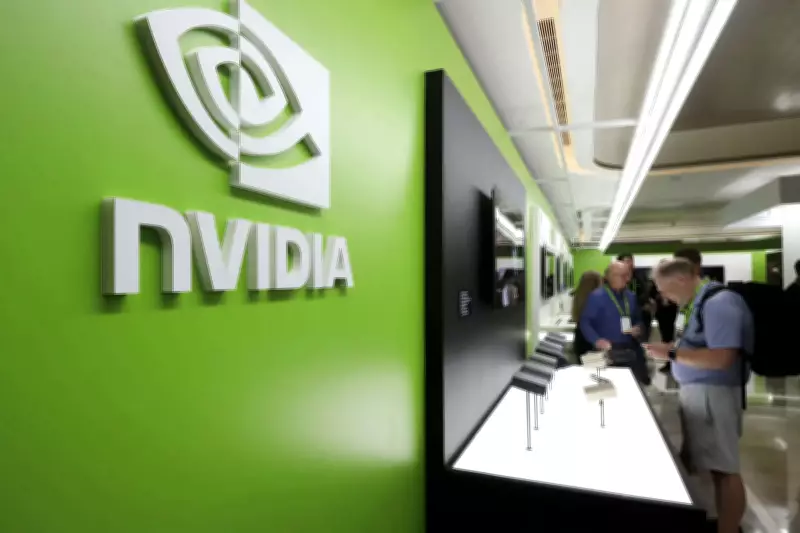
In 2023, Sylendran Arunagiri began planning his relocation from India to the United States, receiving cautious advice from friends and mentors. They warned that the American technology hiring cycle had slowed significantly, with international graduates finding it increasingly difficult to secure positions. Despite these warnings, Arunagiri proceeded with a structured, time-bound plan: enroll in a master's program in product management at Carnegie Mellon University, secure a summer internship in 2024, and use that pathway to enter the artificial intelligence ecosystem. His long-term target was Nvidia, a company he closely associated with the AI infrastructure he aspired to work on.
Entering a Weaker Hiring Cycle
Arunagiri arrived in the United States during a period of recalibration in the technology labor market. Job postings had declined from the pandemic-era surge, and layoffs across major firms intensified competition for fewer openings. According to industry reports, companies were hiring at one of the slowest rates observed since 2013, as businesses adjusted to economic uncertainty and early adoption of generative AI tools.
For Arunagiri, this shift represented not only economic challenges but structural differences in hiring systems. Having studied in India within institutions that relied heavily on campus placement systems, where employers recruit directly from universities, he found the American approach required different strategies. "Job fairs were often more like networking events than recruiting opportunities," he explained, noting that in the US hiring environment, "You're completely on your own."

An Early Bet That Did Not Pay Off
Arunagiri began applying for internships before relocating to the United States, recognizing that many technology companies conducted interviews months in advance. In November 2023, he secured an interview with Nvidia, which initially appeared promising. He became confident enough to reduce applications elsewhere, assuming this opportunity would materialize. However, after completing a final round in February 2024, he received a rejection.
"I had to start from scratch, but by then many of the applications had dried out," he recounted. This episode illustrates a recurring risk in competitive hiring cycles, where candidates often concentrate on one perceived breakthrough opportunity, only to discover that timelines for other positions have already closed.
Resetting Through an Alternative Pathway
Arunagiri eventually secured an AI product manager internship at Informatica in California, which provided valuable industry exposure. During this period, he analyzed why his Nvidia application had failed, concluding that timing and presentation had significantly affected the outcome. He had attended the decisive interview while unwell and believed his energy level did not reflect his usual engagement.
"I came off as a dull candidate, but I'm usually energetic and conversational," he reflected. "I should have probably postponed it to a day that I was feeling better." Rather than treating the rejection as final, he sought to understand the company's expectations, contacting a human resources representative at Nvidia who suggested connecting with current employees to better comprehend ongoing work and required skills.
Turning Networking Into Research
Arunagiri spoke with several Nvidia interns and employees to map how teams were utilizing AI tools and what kinds of product thinking were valued internally. These conversations inspired him to begin building small independent projects aligned with those themes. He shared this work publicly through professional platforms, documenting experiments with generative AI models and product use cases. The intention was to demonstrate applied understanding rather than rely solely on formal credentials.
This approach mirrors a broader transformation in technology hiring, where portfolios and demonstrable experimentation increasingly supplement traditional resumes, creating new pathways for candidates to showcase their capabilities.

A Narrow Window Before Visa Deadlines
After completing his internship, Arunagiri resumed his job search ahead of graduating in December 2024. As an international student on an F-1 visa, he faced a fixed timeline: without employment secured within 90 days of graduation, he would have had to leave the United States. In September 2024, he submitted a new application to Nvidia for a technical product marketing role focused on agentic AI. Simultaneously, he entered the interview process for a product management position at Microsoft.
Both processes advanced concurrently, and within days of completing his degree requirements, he received offers from both companies. He ultimately accepted Nvidia's offer, citing role alignment and compensation considerations as decisive factors.
What Made the Difference the Second Time
During the later interview rounds, Arunagiri noted that hiring managers had reviewed the projects he shared online. The visibility of his ongoing work signaled initiative and familiarity with emerging tools, distinguishing him from other candidates. "You need to find something that sets you apart from others," he advised, emphasizing that candidates should avoid relying solely on applications and instead present tangible evidence of their interests.
He also highlighted the importance of managing time during prolonged searches and resisting comparisons with peers whose outcomes may be shaped by different circumstances, underscoring the personalized nature of career journeys in competitive markets.
A Case Study in How Global Graduates Adapt
Arunagiri's experience captures a significant transition affecting many international students entering the US labor market. Structured campus recruitment has gradually given way to decentralized hiring processes that reward persistence, visibility, and alignment with rapidly evolving technologies. This shift does not necessarily close opportunities but redistributes how they are accessed.
Success in this environment depends less on a single recruitment cycle and more on sustained positioning across months or even years. Arunagiri's path from rejection to employment demonstrates this adjustment vividly. The outcome changed not because the market became easier, but because his strategy became more closely matched to how companies now evaluate potential hires, reflecting broader trends in global talent mobility and technology sector evolution.