

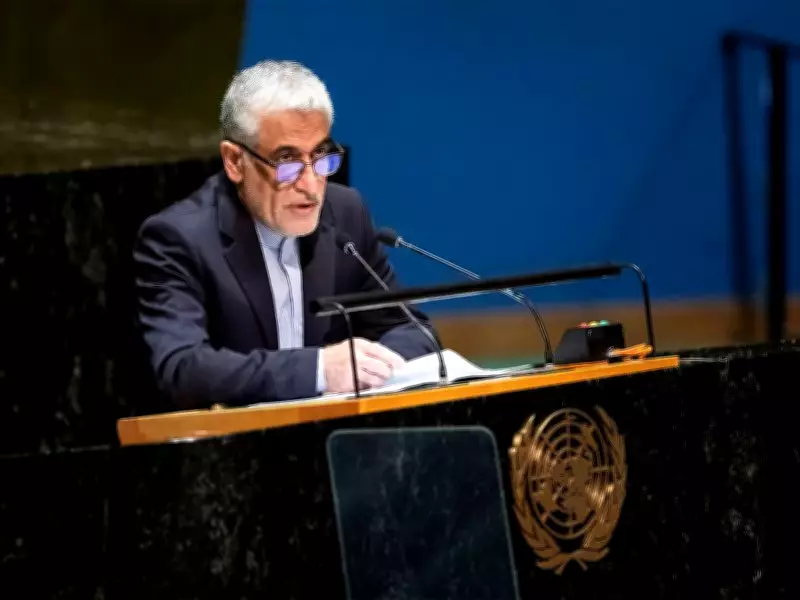
Iran Calls on United Nations to Intervene in US Seizure of Commercial Vessel Touska
In a significant diplomatic move, Iran has officially urged the United Nations to press the United States for the immediate release of the commercial vessel Touska, which was seized by US authorities. This incident has heightened tensions between the two nations, with Iran framing the seizure as an unlawful act in international waters that violates maritime norms and sovereignty.
Details of the Seizure and Iran's Response
The vessel Touska, a commercial ship reportedly carrying goods, was intercepted and taken into custody by US forces under circumstances that remain under investigation. Iran has strongly condemned this action, labeling it as an aggressive maneuver that disrupts global trade and infringes upon the rights of sovereign states. Iranian officials have emphasized that the seizure occurred without proper justification, calling it a breach of international law and a provocative step that could destabilize regional security.
Iran's appeal to the UN underscores its strategy to leverage international bodies to address what it perceives as US overreach. In its formal request, Iran has detailed the economic and logistical impacts of the seizure, arguing that it hampers legitimate commercial activities and sets a dangerous precedent for maritime operations worldwide. The Iranian government has also highlighted the potential humanitarian consequences, noting that the vessel's cargo may include essential supplies.

International Reactions and Implications
The call for UN intervention comes amid ongoing geopolitical friction between Iran and the United States, which has been marked by disputes over nuclear agreements, sanctions, and regional influence. Analysts suggest that this incident could further strain diplomatic relations, potentially leading to broader confrontations if not resolved through dialogue. Other nations and international organizations are closely monitoring the situation, with some expressing concern over the escalation and its impact on global shipping lanes.
The United States has yet to issue a detailed public response, but previous actions indicate that such seizures are often linked to enforcement of sanctions or security concerns. This case raises questions about the legal frameworks governing maritime seizures and the role of international institutions in mediating such conflicts. Experts warn that without a swift resolution, the dispute could exacerbate existing tensions and trigger retaliatory measures from Iran.
Potential Outcomes and Future Scenarios
As the UN considers Iran's request, several outcomes are possible. The international body may:
- Initiate diplomatic talks to facilitate the vessel's release and de-escalate tensions.
- Conduct an independent investigation into the legality of the seizure under international maritime law.
- Issue a statement or resolution calling for restraint and adherence to global norms.
In the meantime, Iran has vowed to pursue all available channels to secure the Touska's freedom, including potential legal actions and further appeals to other international forums. This incident serves as a reminder of the fragile state of US-Iran relations and the broader challenges in maintaining stability in key maritime regions. Observers note that the resolution of this case could set important precedents for how similar disputes are handled in the future, influencing global trade and diplomatic protocols.

