Iran and US to Negotiate in Oman as Military Threats Escalate
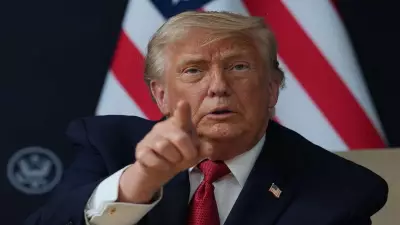
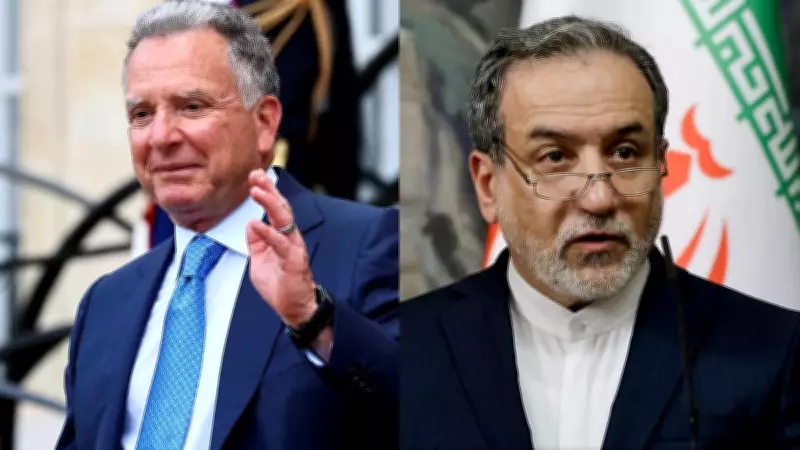
In a significant diplomatic development, Iran and the United States are preparing to hold indirect negotiations in Oman, as regional tensions intensify following military threats from former President Donald Trump. This move comes at a critical juncture, with both nations seeking to de-escalate potential conflicts and address longstanding security concerns.
Background of Rising Tensions
The decision to engage in talks follows a period of heightened rhetoric and military posturing. Former US President Donald Trump has recently issued warnings about potential military action against Iran, citing issues related to nuclear proliferation and regional influence. These threats have raised alarms globally, prompting urgent diplomatic efforts to prevent an escalation into open conflict.
Oman, known for its neutral stance and historical role as a mediator in Middle Eastern disputes, has been chosen as the venue for these negotiations. The Sultanate's diplomatic channels have often facilitated dialogue between adversarial parties, making it an ideal location for such sensitive discussions.

Objectives of the Oman Negotiations
The primary goals of the upcoming talks include:
- Addressing Nuclear Concerns: Discussions will focus on Iran's nuclear program, with the US seeking assurances on compliance with international agreements.
- Regional Security: Both sides aim to explore measures to reduce military tensions and prevent miscalculations that could lead to conflict.
- Indirect Engagement: Due to the lack of formal diplomatic relations, negotiations will be conducted through intermediaries, with Omani officials facilitating the process.
Experts suggest that these talks could pave the way for more direct engagement in the future, potentially reviving efforts like the Joint Comprehensive Plan of Action (JCPOA), which has been a point of contention since Trump's withdrawal in 2018.
Implications for Global Stability
The outcome of these negotiations holds significant implications for international peace and security. A successful dialogue could:
- Reduce the risk of military confrontation in the Middle East.
- Stabilize global oil markets, which are sensitive to regional conflicts.
- Encourage broader diplomatic initiatives involving other stakeholders, such as European nations and Gulf countries.
However, challenges remain, including domestic political pressures in both Iran and the US, as well as the complex web of regional alliances. The shadow of Trump's threats adds urgency to these talks, highlighting the need for swift and effective diplomacy.
As the world watches closely, the Oman negotiations represent a crucial test of whether diplomatic channels can prevail over military brinkmanship in one of the world's most volatile regions.