

Iran-US Diplomatic Talks Poised for Resumption in Islamabad
In a significant development that could reshape Middle Eastern geopolitics, reports suggest that diplomatic negotiations between Iran and the United States may soon resume, with Islamabad emerging as the likely venue for these crucial talks. This potential revival of dialogue comes after a period of heightened tensions and stalled efforts, offering a glimmer of hope for de-escalation in the region.
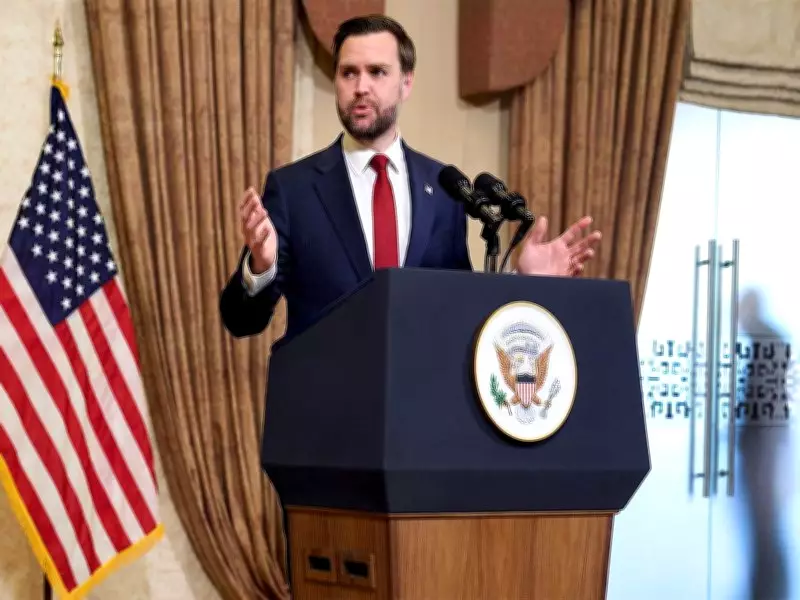
JD Vance Expected to Lead US Delegation
According to sources familiar with the matter, Senator JD Vance is anticipated to lead the United States delegation in these talks. Vance, a prominent political figure known for his foreign policy stances, could bring a fresh perspective to the negotiations. His involvement underscores the importance the US is placing on this diplomatic initiative, aiming to address longstanding issues such as nuclear concerns, regional security, and economic sanctions.
Islamabad as the Chosen Venue
The selection of Islamabad as the potential location for these talks is noteworthy. Pakistan, with its historical ties to both nations and its strategic position in South Asia, could serve as a neutral ground to facilitate constructive discussions. This choice may help create a conducive environment for dialogue, away from the more politically charged settings of previous meetings.

Key aspects of the upcoming talks include:
- Nuclear Program Discussions: A primary focus will likely be on Iran's nuclear activities, with the US seeking assurances and verifiable commitments to prevent weaponization.
- Regional Stability: Both sides are expected to address security concerns in the Middle East, including proxy conflicts and maritime tensions.
- Economic Factors: The potential easing of sanctions in exchange for concessions from Iran could be a central topic, impacting global oil markets and trade.
Background and Implications
This move follows a series of indirect engagements and backchannel communications between Iran and the US, which have been ongoing despite public disagreements. The resumption of formal talks could signal a shift towards more pragmatic diplomacy, especially amid changing global dynamics and domestic pressures in both countries.
If successful, these discussions might pave the way for:
- Reduced hostilities and a decrease in military posturing in the Persian Gulf.
- Enhanced cooperation on counter-terrorism and other shared security interests.
- Potential economic benefits for Iran through sanctions relief, and for the US in terms of energy security.
However, challenges remain, including domestic opposition in both nations and the complex web of regional alliances. The involvement of JD Vance, with his political clout, could help navigate these hurdles, but the outcome will depend on mutual compromises and trust-building measures.
As the world watches closely, the potential resumption of Iran-US talks in Islamabad represents a critical juncture in international relations, with far-reaching consequences for peace and stability in the Middle East and beyond.

