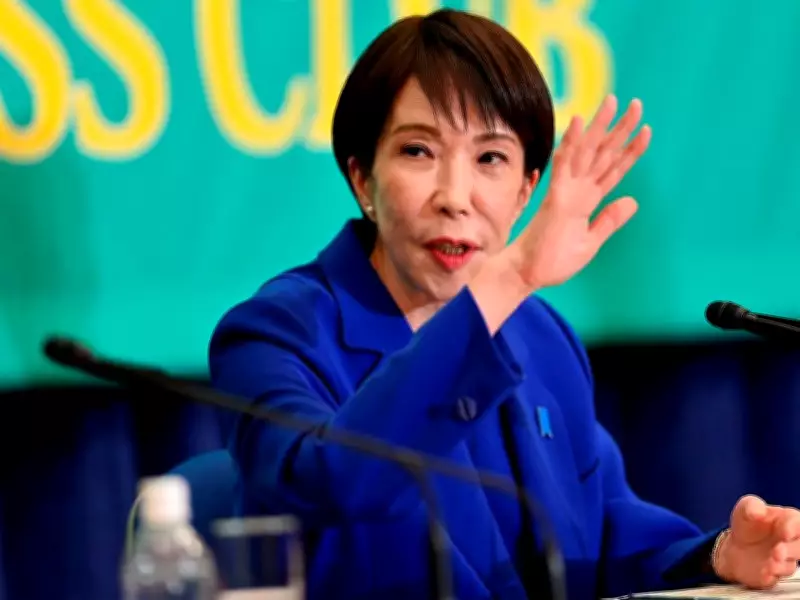
The recent announcement of a snap election in Japan has sent shockwaves through the political landscape, sparking an intense and multifaceted debate over the dissolution powers wielded by Prime Minister Takaichi. This move, which came unexpectedly, has not only reshaped the electoral calendar but also raised profound constitutional and democratic questions that are now at the forefront of public discourse.
Constitutional Implications of the Dissolution
At the heart of the controversy lies the authority granted to the Prime Minister to dissolve the lower house of Japan's parliament, known as the House of Representatives. Critics argue that this power, while legal, may be exercised in ways that undermine the stability and fairness of the political process. Supporters, however, contend that it is a necessary tool for responding to urgent national issues or public sentiment. The debate has intensified as legal experts and opposition parties scrutinize the timing and justification behind Takaichi's decision, with some calling for clearer guidelines or reforms to prevent potential abuses.
Political Fallout and Public Reaction
The snap election has triggered a swift and polarized response from various political factions. Opposition leaders have accused Prime Minister Takaichi of using the dissolution as a strategic maneuver to consolidate power or distract from pressing domestic challenges, such as economic uncertainties or social policies. In contrast, ruling party members defend the move as a democratic exercise aimed at seeking a fresh mandate from the electorate. Public opinion polls indicate a divided citizenry, with some voters welcoming the opportunity for change, while others express concern over the potential for political instability.

Historical Context and Comparative Analysis
This is not the first time Japan has witnessed a snap election, but the current situation stands out due to its timing and the broader global context of political upheavals. Historically, such dissolutions have been used by prime ministers to reset political agendas or address crises, but they often come with risks, including voter fatigue or backlash. Comparing this event to similar instances in other democracies, such as the United Kingdom or India, highlights the unique aspects of Japan's parliamentary system and the ongoing evolution of its governance norms.
Future Prospects and Electoral Dynamics
As the election campaign unfolds, all eyes are on how this debate will influence voter behavior and the eventual outcome. Key issues likely to dominate include economic recovery, national security, and social welfare, with the dissolution powers serving as a backdrop that could sway undecided voters. Analysts predict that the results may either reinforce Takaichi's authority or lead to a fragmented parliament, further complicating governance. Regardless of the outcome, this episode is set to leave a lasting impact on Japan's political framework and may prompt legislative reviews in the coming years.
In summary, Japan's snap election under Prime Minister Takaichi has ignited a crucial debate over dissolution powers, touching on constitutional, political, and public dimensions. As the nation heads to the polls, the resolution of this controversy will shape not only the immediate political landscape but also the long-term democratic health of the country.