Japan's Political Leaders Intensify Campaigns Ahead of Lower House Election
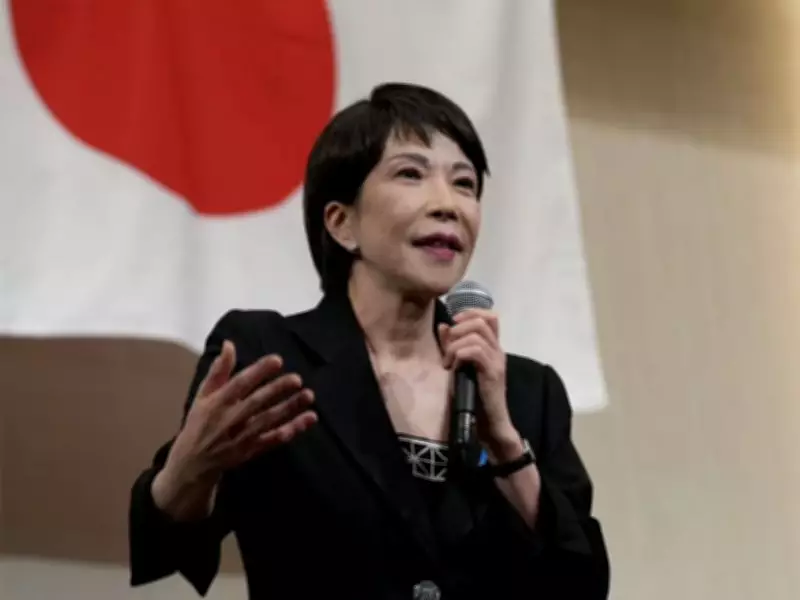
As Japan approaches a pivotal moment in its political landscape, Prime Minister Fumio Kishida and key opposition figures, such as Sanae Takaichi, are making their final appeals to voters. The Lower House election, scheduled for Sunday, has become a critical battleground where parties are vying for a mandate to shape the nation's future policies. This electoral contest is marked by intense campaigning across the country, with leaders addressing rallies and engaging with citizens to secure support.
Parties Focus on Economic and Security Agendas
In the lead-up to the polls, political parties are emphasizing distinct platforms to attract voters. The ruling Liberal Democratic Party (LDP), led by Prime Minister Kishida, is highlighting its economic recovery plans and efforts to bolster national security. Meanwhile, opposition leaders, including Sanae Takaichi, are critiquing the government's handling of inflation and proposing alternative strategies to address public concerns. These final pitches are crucial as they aim to sway undecided voters in a tightly contested race.
The election outcome is expected to have significant implications for Japan's domestic and international policies. With issues such as economic stability, defense spending, and social welfare at the forefront, parties are leveraging every opportunity to connect with the electorate. Campaign events have seen large turnouts, reflecting the high stakes involved in this democratic process.

Voter Engagement and Electoral Dynamics
Voter turnout is anticipated to be a key factor in determining the results, as parties mobilize their bases and reach out to younger demographics. The use of digital platforms and traditional campaigning methods has been widespread, allowing leaders to disseminate their messages effectively. This election is not just about choosing representatives but also about setting the direction for Japan's next chapter.
As the campaign period draws to a close, political analysts are closely monitoring the trends and public sentiment. The final days are likely to see a surge in last-minute efforts by all parties to consolidate support and address any remaining voter doubts. The outcome will ultimately reflect the public's verdict on the current administration and its policies.