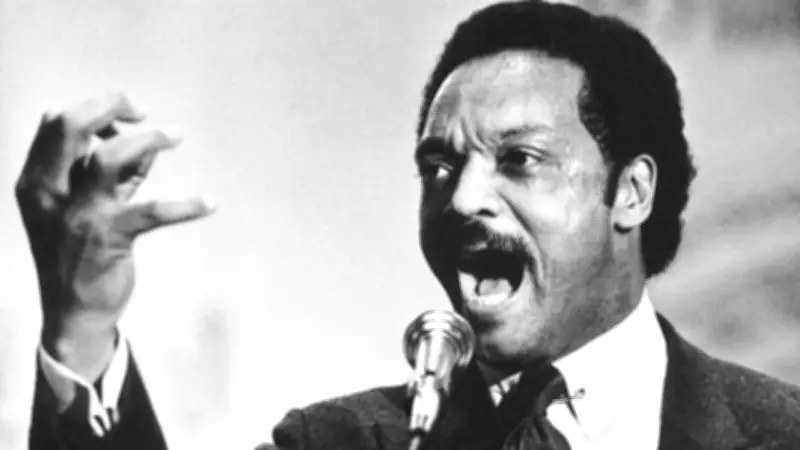
Civil Rights Pioneer Jesse Jackson Passes Away at 84
The American civil rights movement has lost one of its most enduring figures with the passing of Reverend Jesse Jackson at the age of 84. His family confirmed his death on Thursday, marking the end of a remarkable life dedicated to social justice and racial equality.
A Life of Activism and Advocacy
Jackson died at his home surrounded by family members after facing prolonged health complications. He had been battling both Parkinson's disease and a rare neurological condition known as progressive supranuclear palsy in his final years. His passing represents the closing of a significant chapter in American civil rights history.
Born into humble circumstances in segregated South Carolina, Jackson rose to become one of America's most prominent activists over a career spanning more than five decades. He championed numerous causes including:

- Voting rights for marginalized communities
- Economic opportunities and job creation
- Educational access and reform
- Healthcare equity and reform
- Racial justice and equality
Connection to Martin Luther King Jr. and Political Legacy
Jackson maintained a longtime association with fellow civil rights leader Martin Luther King Jr., working alongside him during the height of the movement. Following King's assassination in 1968, Jackson emerged as a key figure in continuing the struggle for civil rights and social justice.
His political influence extended beyond activism when he made history as a two-time candidate for the Democratic presidential nomination. Jackson ran groundbreaking campaigns in 1984 and 1988, achieving several primary victories and significantly expanding political opportunities for minority candidates. His powerful oratory and memorable slogans like "Keep Hope Alive" inspired generations of activists and politicians.
Organizational Leadership and Recognition
Jackson founded Operation PUSH (People United to Save Humanity) in 1971, which later evolved into the Rainbow/PUSH Coalition. These organizations became powerful vehicles for promoting social justice, economic inclusion, and political empowerment for underrepresented communities across America.
In recognition of his lifetime of service, Jackson received the Presidential Medal of Freedom in 2000 from President Bill Clinton. This honor represents the nation's highest civilian award and acknowledged his extraordinary contributions to American society and the global human rights movement.
Jackson's legacy continues through the countless activists, politicians, and ordinary citizens he inspired during his more than fifty years of public service. His work fundamentally transformed American politics and social justice advocacy, leaving an indelible mark on the nation's ongoing struggle for equality and inclusion.