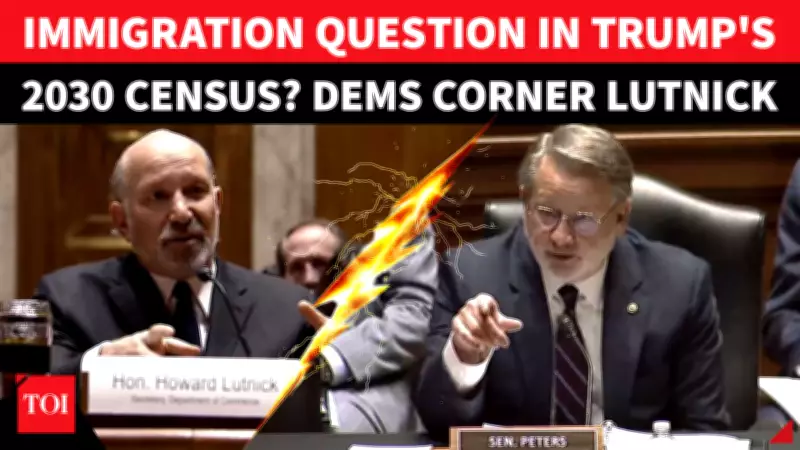
US Commerce Secretary Evades Direct Answer on 2030 Census Citizenship Question
A tense exchange occurred during a recent Senate hearing when US Commerce Secretary Howard Lutnick was pressed on whether a citizenship question would be removed from the upcoming 2030 US Census. Lawmakers demanded a straightforward yes-or-no response, but Lutnick declined to provide one, stating the issue required a more detailed explanation.
Lawmakers Push for Clarity on Census Accuracy Concerns
During the hearing, senators pointed to historical evidence suggesting that immigration-related questions can significantly impact census accuracy and participation rates. They argued that such inquiries might deter certain communities from responding, potentially skewing population data used for critical government functions like funding allocation and political representation.
The lawmakers emphasized the importance of a clear answer, citing past controversies where citizenship questions led to legal battles and public outcry. They stressed that the 2030 Census must avoid similar pitfalls to ensure a fair and accurate count of all residents in the United States.

Lutnick's Non-Committal Stance Sparks Debate
In response to the direct questioning, Secretary Lutnick avoided giving a definitive reply. He indicated that the matter was complex and warranted a longer discussion beyond a simple yes or no. This evasion has fueled speculation and debate about the Trump administration's intentions for the 2030 Census.
Observers note that Lutnick's reluctance to commit aligns with broader political tensions surrounding immigration and census policies. The citizenship question has been a contentious issue in previous censuses, with critics arguing it could lead to undercounts in immigrant communities, while supporters claim it is necessary for understanding demographic trends.
Implications for Future Census Planning
The lack of a clear answer from Lutnick raises questions about the planning and transparency of the 2030 Census process. Key considerations include:
- How the inclusion or exclusion of a citizenship question might affect response rates among different demographic groups.
- The potential legal challenges that could arise if the question is included, based on past court rulings.
- The impact on federal funding and congressional redistricting, which rely heavily on accurate census data.
As the 2030 Census approaches, this issue is likely to remain a focal point in political and public discourse, with advocates on both sides pushing for their preferred outcomes. The Senate hearing highlighted the ongoing struggle to balance data collection needs with concerns about participation and fairness.