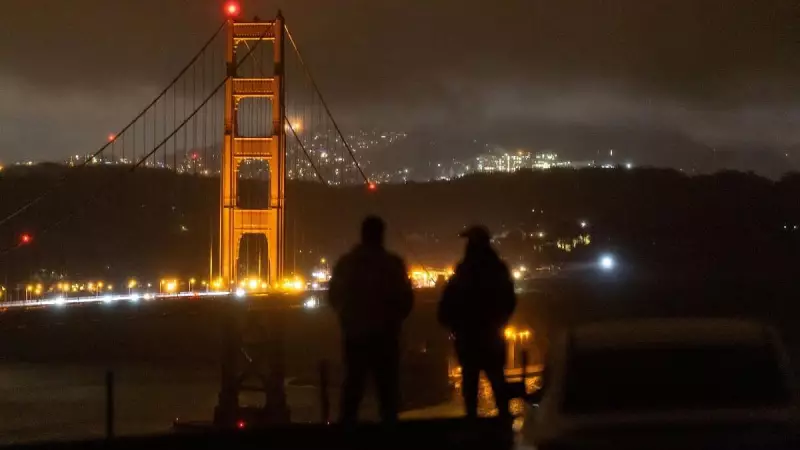
A significant power outage plunged parts of San Francisco into darkness, disrupting daily life and leading to the closure of numerous businesses and mass transit stations. The blackout, which occurred on 21 December 2025, also forced the autonomous vehicle company Waymo to temporarily suspend its driverless car services across the city.
Scope and Immediate Impact of the Blackout
The outage was widespread, affecting a substantial portion of the city's infrastructure. Stores were compelled to shut their doors as electronic payment systems and lighting failed. Similarly, key mass-transit stations had to close, creating significant commute chaos for residents and visitors during a busy period. The disruption highlighted the city's vulnerability to large-scale infrastructure failures.
Technology and Transit Grind to a Halt
One of the most notable consequences of the power failure was its impact on cutting-edge technology. Waymo, a leader in autonomous vehicles, made the decision to proactively temporarily suspend its driverless car services for safety and operational reasons. This move underscored how reliant modern mobility solutions are on consistent power grids and network connectivity.

Restoration and Recovery Efforts
Utility crews worked extensively to address the fault. According to the report from the International New York Times, published at 16:48 IST on the day of the outage, power had been restored for most of San Francisco. The swift restoration efforts helped mitigate prolonged disruption, allowing businesses to reopen and transit services to gradually resume. However, the incident serves as a stark reminder for cities globally to fortify their critical infrastructure against such unforeseen events.
The event, widely reported by international media, has sparked discussions on urban resilience and the need for robust backup systems, especially as cities integrate more AI-dependent technologies like self-driving cars into their everyday fabric.