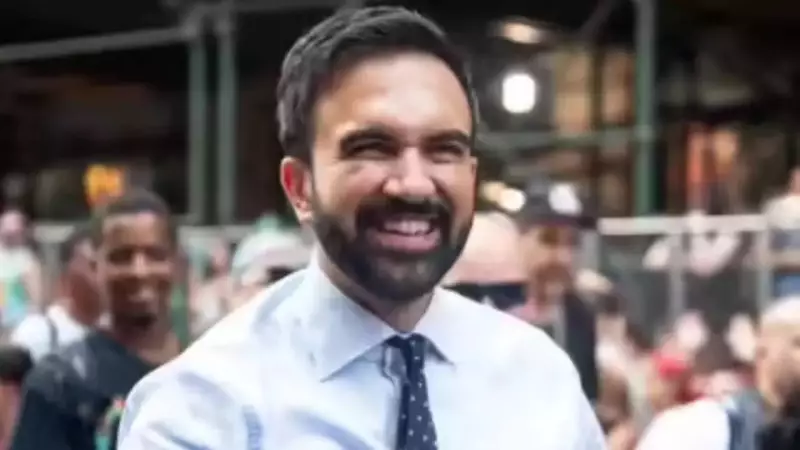
In a significant development for New York City's law enforcement landscape, mayor-elect Zohran Mamdani has decided to retain police commissioner Jessica S Tisch, thereby inheriting one of the architects behind the city's extensive surveillance network.
The Domain Awareness System: A Double-Edged Sword
The surveillance network developed by Commissioner Tisch, known as the Domain Awareness System, represents one of the most comprehensive police monitoring tools in urban America. This sophisticated system integrates massive amounts of data from multiple sources including video feeds, license plate readers, audio gunshot detection technology, 911 call logs, criminal records, summons information, arrest data, and active warrants.
This network continuously stores footage from thousands of cameras positioned throughout New York City, effectively recording the daily movements of millions of residents. While law enforcement authorities defend it as an essential tool for crime-solving and preventing terrorist activities, civil liberties advocates have condemned it as an unconstitutional surveillance apparatus that violates privacy rights.

Mamdani's Surveillance Skepticism vs Political Reality
The decision creates a complex situation for Mamdani, whose perspective on police surveillance was shaped by the department's controversial monitoring of Muslim communities following the 9/11 attacks. During his Democratic mayoral primary campaign, Mamdani repeatedly expressed concerns about police overreach.
In 2023, he co-authored an opinion piece for City & State advocating for legislation that would prevent police from creating fake social media profiles. "With every 'friend' and 'follow' request you accept, you risk a covert cop invading your privacy," the article warned, highlighting his stance on digital surveillance.
Interestingly, Mamdani's comprehensive 17-page public safety blueprint makes no direct mention of surveillance reform. Instead, it focuses on establishing a community safety department that would deploy mental health professionals to respond to certain 911 calls and expand street-level violence prevention initiatives.
The Governance Challenge Ahead
Kenneth Corey, a former police chief who served in the intelligence division, suggested that Mamdani might find himself in the uncomfortable position of defending a system that many of his supporters strongly oppose. "Could you realistically expect to fight 21st-century crimes without using 21st-century tools?" Corey questioned, adding that perspectives often change when moving from outside criticism to internal responsibility.
When questioned about his intentions regarding police surveillance, Mamdani's spokeswoman Dora Pekec provided a carefully worded response indicating that the mayor-elect "looks forward to working closely with Commissioner Tisch to deliver both public safety and justice to New Yorkers and continue to ensure their constitutional rights are protected at every corner."
Elizabeth Glazer, founder of urban policy think tank Vital City and a former federal prosecutor, observed that the practical demands of ensuring public and police safety might compel Mamdani to reconsider some of his previous positions. "He has to address some of the realities that the police department face in how to democratically police the city," Glazer noted, predicting that "some of the rhetoric of the past will be moderated in the actual activity that the police department has to conduct."
The stage is now set for what could become a defining tension in Mamdani's administration—balancing his historical skepticism of surveillance with the practical realities of governing one of the world's largest cities in an era of evolving security threats.