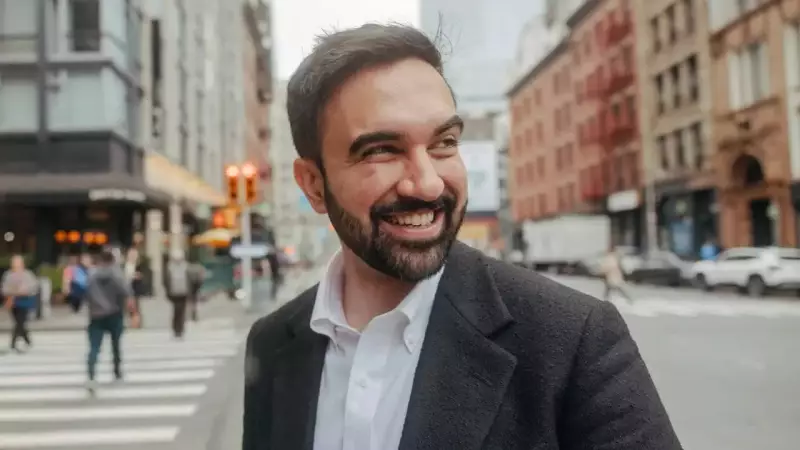
When Zohran Mamdani captured New York's mayoral office with bold promises of free child care, few anticipated the enormous educational challenge awaiting his administration. As the 34-year-old progressive leader prepares to take charge in January, he inherits stewardship of the United States' largest and most complex public education system.
The Colossal Education System
According to the NYC Department of Education, the city's 1,500 schools serve nearly 900,000 students and operate on an annual budget of approximately $41 billion. This massive scale rivals the economy of a small nation and will test Mamdani's political skills, fiscal discipline, and reformist instincts more than any campaign promise.
The newly elected mayor has acknowledged he's still learning the intricacies of the system he's about to lead. His initial priorities include recruiting more teachers, expanding support for homeless students, and curbing wasteful spending within the Department of Education.

Critical Challenges Ahead
New York's schools face multiple pressing issues that demand immediate attention:
Shrinking Student Population: The system has experienced a dramatic demographic decline, dropping from over 1.1 million students to around 880,000 currently. This contraction, driven by families relocating to more affordable cities and declining birth rates, forces difficult decisions about merging or closing under-enrolled schools and equitable funding distribution.
Literacy Crisis: Perhaps the most urgent academic challenge is the city's ongoing struggle with reading proficiency. Government data reveals that more than half of Black and Latino students perform below state benchmarks, while the share of pupils at the lowest level on national reading assessments has increased over the past 15 years.
Federal Confrontation: Mamdani's education policies will unfold under a potentially adversarial federal government. New York's policies allowing students to use bathrooms aligning with their gender identity and teaching curricula on race, culture, and sexuality have drawn criticism from the Trump administration.
Political Landmines and Inequality
Education reform in New York represents a political minefield where missteps can rapidly erode political capital. Mamdani's campaign experienced this firsthand when a brief comment about gifted and talented programs sparked days of intense debate.
The entrenched inequality within the system presents perhaps the most stubborn challenge. Education quality varies dramatically by race, income, and zip code. In affluent districts, parent-teacher associations raise hundreds of thousands annually, while schools in low-income areas struggle with students living in shelters or temporary housing.
For children with disabilities, access to essential services like speech therapy often depends on whether parents can navigate the complex special education bureaucracy.
Mamdani's first major decision—appointing a schools chancellor—will signal his education policy direction. Union leaders, early supporters of his campaign, are expected to influence this choice, with current chancellor Melissa Aviles-Ramos and former chancellor Meisha Ross Porter among potential candidates.
The next four years will determine whether New York's new mayor can transform idealism into effective governance and deliver on the enduring promise of America's public schools.