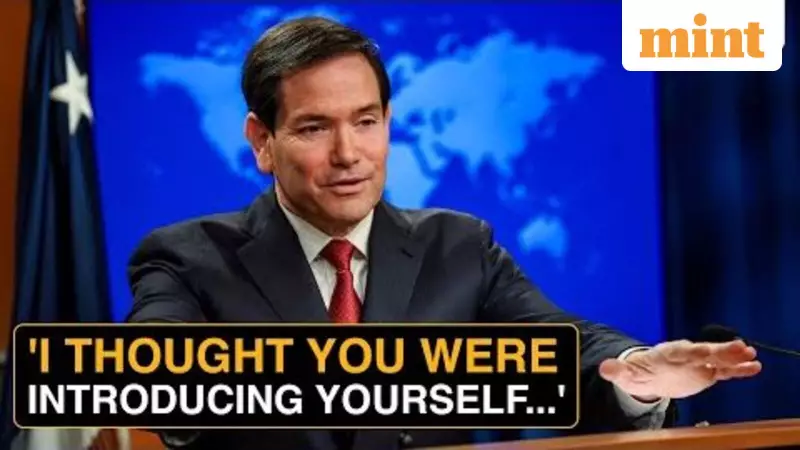
In a moment of unexpected levity ahead of high-stakes diplomatic discussions, US Secretary of State Marco Rubio sparked a viral reaction by joking with a reporter about Russian President Vladimir Putin. The incident, which unfolded on December 20, 2025, offered a brief, humorous interlude before the serious business of updating the world on efforts to end the war in Ukraine.
The Viral Exchange: 'Thought You Were Vladimir Putin!'
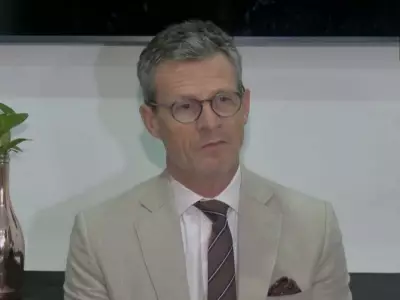
The light-hearted banter occurred during a press interaction. Secretary Rubio, engaging with a reporter, made a quip that immediately lightened the room's atmosphere. He remarked that for a moment, he had mistaken the journalist for the Russian leader, Vladimir Putin. This spontaneous comment, captured on video, quickly spread across social media platforms, showcasing a human side to the top American diplomat amidst tense geopolitical manoeuvring.
While the joke provided a brief respite, Rubio was quick to pivot back to the grave matter at hand. He used the moment to underscore a critical point about the nature of international conflict resolution. The Secretary of State emphatically stressed that public statements and declarations alone cannot secure peace. He clarified the US position, indicating that the path forward relies on tangible, negotiated agreements between the warring parties.

Substance Over Statements: The US Stance on Ukraine
Moving beyond the viral moment, Rubio outlined the core principles guiding the United States' approach to the Ukraine conflict. He made it clear that the Trump administration is not in the business of forcing agreements onto either Russia or Ukraine. Instead, the diplomatic focus is on identifying and building upon areas of potential overlap between the two nations' positions.
Rubio reaffirmed President Donald Trump's commitment to ending what he described as a costly and destructive war. However, he attached a significant condition to this goal. Any resolution must come with the consent of both sides—Ukraine and Russia. This stance reinforces the administration's view that a durable peace cannot be imposed from the outside but must be mutually agreed upon, even if the process is complex and challenging.
Context and Implications for Global Diplomacy
The incident and the subsequent statements arrive at a delicate juncture in international relations. The war in Ukraine has had far-reaching consequences for global security, energy markets, and food supplies. Rubio's comments, blending humour with a sober message, reflect an attempt to manage public and media perceptions while engaging in behind-the-scenes diplomacy.
By stating that "statements don't make peace—only agreements do," the Secretary of State subtly addressed critics and set realistic expectations for the ongoing peace talks. The approach signals a potentially pragmatic, if protracted, negotiation process where the US sees its role as a facilitator seeking common ground, rather than a dictator of terms. The world now watches to see if this strategy can translate the search for "overlap" into a concrete and lasting peace deal.