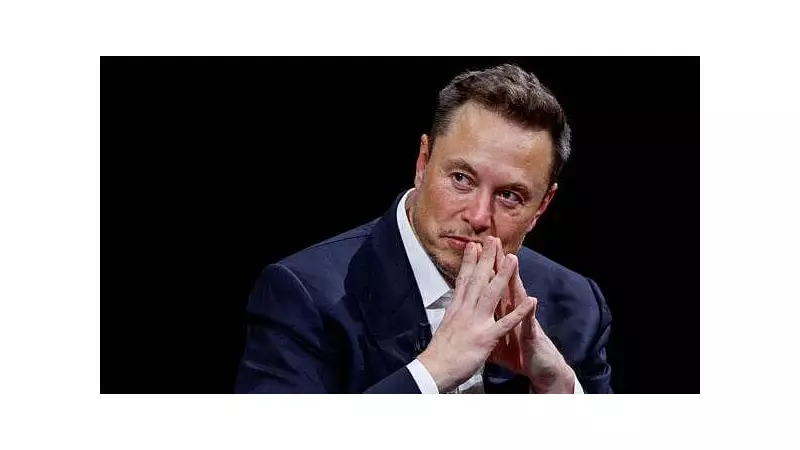
Tech billionaire Elon Musk has launched a sharp critique of Canada's publicly funded healthcare system. His comments come in the wake of a tragic incident involving the death of a 44-year-old Indian-origin man, who passed away while awaiting emergency treatment at a hospital.
The Tragic Incident: A Fatal Wait
The case that has sparked international attention involves Prashant Sreekumar, a 44-year-old accountant. On December 22, 2025, Sreekumar experienced severe chest pains while at his workplace. He was promptly taken to a hospital for urgent medical attention.
Upon arrival, he was processed through the standard triage procedure. However, after this initial check-in, he was directed to sit in the general waiting room. It was during this period of waiting for further medical assessment and treatment that the tragic event occurred. The details surrounding the exact cause and timing of his death are part of the ongoing scrutiny of the case.

Musk's Vocal Criticism
Elon Musk, the CEO of Tesla and SpaceX, publicly slammed the Canadian healthcare model following reports of this incident. While the exact platform of his remarks is not specified in the initial report, Musk is known for using social media to comment on global issues.
His criticism likely centers on the perceived failures of a single-payer, government-run system, highlighting long wait times as a critical flaw. Musk has historically advocated for more privatized and innovation-driven approaches to sectors including healthcare, often contrasting them with public systems.
Broader Implications and Reactions
This incident has reignited a long-standing debate about healthcare delivery, wait times for emergency services, and system capacity in Canada. The death of Prashant Sreekumar puts a human face on statistical data concerning emergency room delays.
For the Indian diaspora in Canada and observers in India, the case is particularly poignant. It raises concerns about the healthcare experiences of non-resident Indians (NRIs) and immigrants in countries often perceived as having superior medical infrastructure. The story transcends geographical boundaries, touching on universal themes of healthcare access, emergency response efficacy, and systemic accountability.
The response from Canadian health authorities and officials regarding this specific case is awaited. Typically, such incidents prompt internal reviews and investigations into triage protocols and waiting room management in emergency departments.
The convergence of a high-profile tech magnate's commentary and a personal family tragedy has propelled this story onto a global stage. It underscores the intense scrutiny public health systems face and the devastating human cost that can result from systemic bottlenecks.