Israeli Prime Minister Netanyahu Defends Military Actions in Tehran Amid Civilian Casualty Allegations
Israeli Prime Minister Benjamin Netanyahu has issued a strong defense of his country's military operations in Tehran, asserting that the actions were aimed at protecting civilians by targeting terrorist elements. This statement comes in response to growing international criticism and allegations of civilian casualties resulting from recent incidents in the Iranian capital.
Netanyahu's Justification for Military Strikes
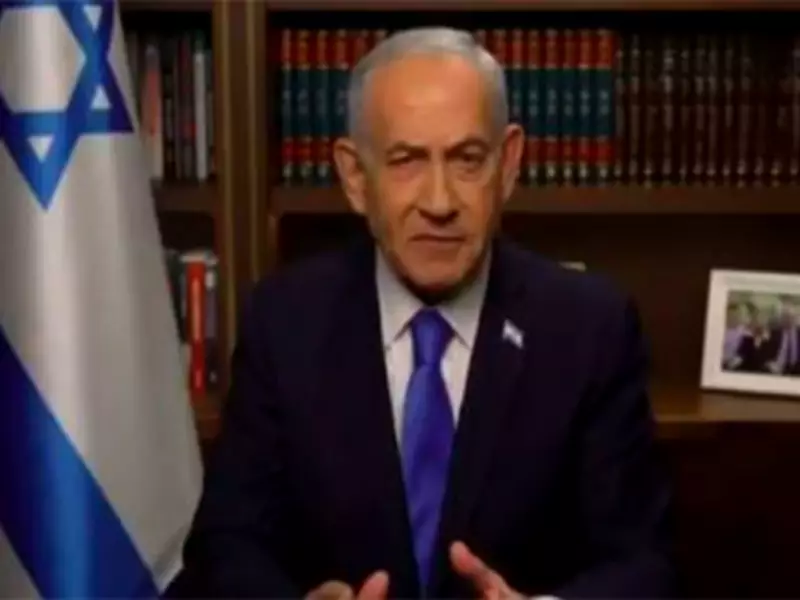
In a recent address, Netanyahu emphasized that Israeli forces were specifically targeting what he described as a "terrorist regime" operating within Tehran. He stated, "We were shooting at them to protect civilians," directly addressing claims that the operations had harmed non-combatants. The Prime Minister argued that the primary objective was to neutralize threats posed by militant groups that he alleges are supported by the Iranian government.
This justification highlights Israel's ongoing security concerns regarding Iranian-backed activities in the region. Netanyahu reiterated that Israel reserves the right to defend itself against any perceived threats, even if it involves operations beyond its borders. The statement underscores the escalating tensions between the two nations, which have been engaged in a protracted shadow war across the Middle East.

International Reactions and Civilian Impact
The allegations of civilian casualties in Tehran have sparked widespread condemnation from various international bodies and human rights organizations. Reports from local sources in Iran suggest that several civilians were injured or killed during the incidents, though exact figures remain unverified due to the sensitive nature of the events.
Netanyahu's remarks have further polarized opinions on the global stage. While some allies of Israel have expressed support for its right to self-defense, others have called for independent investigations into the civilian impact. The situation has added complexity to diplomatic efforts aimed at de-escalating regional conflicts, with many urging restraint and adherence to international humanitarian laws.
Background of Israel-Iran Tensions
The recent exchange is part of a broader pattern of hostilities between Israel and Iran, which includes:
- Cyber Warfare: Both nations have been accused of engaging in cyber attacks targeting critical infrastructure.
- Proxy Conflicts: Support for opposing factions in Syria, Lebanon, and Yemen has fueled regional instability.
- Nuclear Concerns: Israel has repeatedly voiced opposition to Iran's nuclear program, citing security threats.
Netanyahu's latest comments reflect Israel's assertive stance in countering what it views as Iranian aggression. The Prime Minister has consistently advocated for a tough approach, arguing that preemptive actions are necessary to safeguard Israeli citizens from potential attacks orchestrated from Tehran.
Implications for Regional Security
The defense of military actions in Tehran by Netanyahu signals a potential escalation in the already volatile Middle East. Analysts warn that such operations could provoke retaliatory measures from Iran or its proxies, increasing the risk of broader conflict. The focus on civilian protection in Netanyahu's statement may be an attempt to frame Israel's actions within the context of international law, which permits self-defense but requires proportionality and distinction between combatants and non-combatants.
As tensions persist, the international community remains watchful of developments, with calls for dialogue and de-escalation growing louder. The situation underscores the delicate balance between national security imperatives and the humanitarian consequences of military engagements in populated areas.