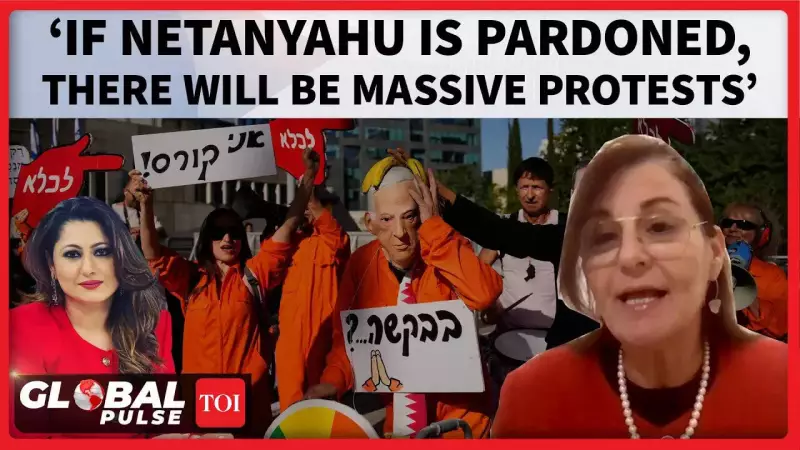
In a move that has sent shockwaves through Israel's political landscape, Prime Minister Benjamin Netanyahu has formally approached the nation's president, seeking a pardon from long-standing corruption charges. This request, made on December 2, 2025, aims to conclude a legal saga that has deeply divided the country for years.
A Bid for Unity Amidst Legal Turmoil
Netanyahu has positioned his unprecedented appeal for clemency as a necessary step towards fostering "national unity". He argues that closing this protracted legal chapter is crucial for Israel's stability, especially during a period marked by significant regional and domestic shifts. The Prime Minister's legal battles have been a central, polarizing feature of Israeli politics, and his direct appeal to the president represents a dramatic attempt to draw a line under the controversy.
Expert Sounds Alarm on Rule of Law
However, this strategic move has been met with immediate and severe criticism from legal and political observers. A prominent Israeli expert has issued a stark warning, stating that granting such a pardon would establish a "dangerous precedent" for the nation's democracy. The core concern is that it would severely undermine the principle of equality before the law, suggesting that high-ranking officials could evade judicial accountability through political appeals rather than the court process.

The expert's critique highlights a fundamental tension between political expediency and judicial integrity. Pardoning a sitting prime minister for serious corruption allegations, they argue, risks eroding public trust in legal institutions and could set a template for future leaders facing similar legal jeopardy.
Implications for Israeli Democracy
The outcome of this pardon request carries profound implications for Israeli democracy and its commitment to the rule of law. If granted, it could be perceived as a victory for political power over judicial independence. Conversely, if denied, Netanyahu's political and legal struggles are likely to intensify, prolonging the domestic division he seeks to end.
This development places Israel's president in an exceptionally difficult position, weighing calls for national reconciliation against the imperative of upholding legal norms. The decision will undoubtedly shape the country's political trajectory and its democratic foundations for years to come.