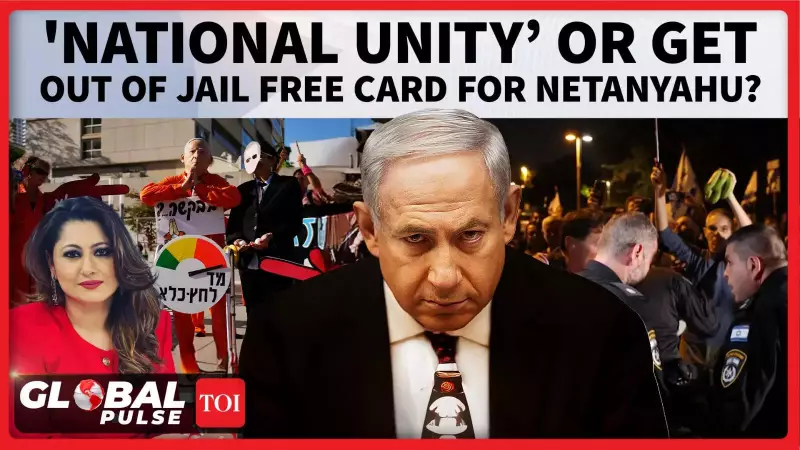
Israeli Prime Minister Benjamin Netanyahu has formally approached the country's president with a request for a presidential pardon in the long-pending corruption cases against him. The move, announced on December 2, 2025, has triggered a fierce political storm across the nation.
A Pardon Request Framed as a Unity Move
Netanyahu presented his appeal for clemency as a necessary step to foster "national unity". He argued that closing the protracted legal chapter is crucial for Israel at a time of significant regional instability and internal divisions. The Prime Minister's legal battles over allegations of fraud, breach of trust, and bribery have been a central and divisive feature of Israeli politics for years.
Swift and Fierce Backlash from Critics
The request, however, was met with immediate and intense criticism from political opponents, legal experts, and civil society groups. Critics are accusing Netanyahu of attempting to use the highest office to evade legal accountability. The core arguments against the pardon are:

- Undermining Democratic Norms: Opponents say it blurs the crucial separation between political power and judicial independence.
- Eroding Public Trust: They fear it will severely damage citizens' faith in the justice system and the rule of law.
- Setting a Dangerous Precedent: The move is seen as creating a pathway for other powerful figures to avoid consequences for their actions.
The debate has poured fuel on the already intense political polarization in Israel, reigniting deep-seated tensions between Netanyahu's supporters and his detractors.
Deepening the Political Divide
Rather than healing divisions as claimed, the pardon plea has intensified the country's political crisis. The controversy comes amid a backdrop of major security challenges for Israel. The original news report referenced a series of related developments in South Asia, including statements by Indian leaders on Pakistan and Kashmir, and details of a reported military operation named 'Op Sindoor'. While geographically distinct, these references highlight the volatile regional context that often frames Israel's own security posture.
The coming days will be critical as Israel's president considers this unprecedented request. The decision will have profound implications not just for Netanyahu's political future, but for the perceived strength of Israeli democracy itself.