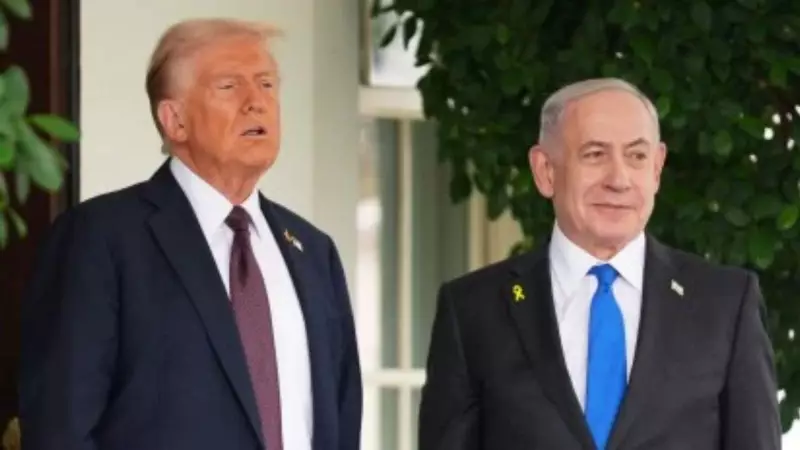
Israeli Prime Minister Benjamin Netanyahu held a significant telephone conversation with former United States President Donald Trump on Monday, marking their first direct communication in over three years. The discussion, confirmed by the Israeli Prime Minister's Office, centered on the ongoing conflict with Hamas in Gaza and broader regional security challenges.
Details of the Netanyahu-Trump Conversation
The Prime Minister's Office released a brief statement outlining the call's agenda. According to the readout, the two leaders discussed the latest developments in the ongoing war between Israel and the militant group Hamas. Netanyahu also briefed the former president on what was described as Israel's daily efforts to secure the release of all remaining hostages held captive in Gaza since the October 7 attacks.
Furthermore, the conversation touched upon other critical issues impacting the Middle East. Netanyahu and Trump exchanged views on what the Israeli statement termed "the threat posed by Iran" and its network of proxy forces across the region. The call represents a re-engagement between the two allied figures, whose relationship was notably close during Trump's tenure in the White House from 2017 to 2021.

Context and Timing of the Diplomatic Call
This phone call is the first publicly acknowledged contact between Netanyahu and Trump since the latter left office in January 2021. The conversation occurs against a complex political backdrop in both nations. In Israel, Netanyahu continues to lead a wartime government while facing immense domestic pressure regarding the management of the Gaza conflict and the hostage crisis.
In the United States, Donald Trump is the presumptive Republican nominee for the upcoming November presidential election, seeking a return to the Oval Office. The timing of the dialogue underscores the enduring importance of US-Israel relations in global geopolitics, regardless of which American political party holds power. It also highlights how world leaders often maintain channels with key figures in allied countries, especially during election seasons.
Implications for US-Israel Relations and Regional Dynamics
The discussion between the Israeli prime minister and the former US president carries several potential implications. Firstly, it reaffirms the strong bipartisan support Israel traditionally enjoys in Washington, though the nature of that support can vary between administrations. Trump's presidency was marked by several landmark pro-Israel moves, including:
- Recognizing Jerusalem as Israel's capital and moving the US embassy there.
- Brokering the Abraham Accords, which normalized relations between Israel and several Arab nations.
- Withdrawing from the Iran nuclear deal, a move long advocated by Netanyahu.
Secondly, the call signals Netanyahu's diplomatic outreach to a key figure who could potentially return to power. For Trump, engaging on a major foreign policy issue demonstrates his continued involvement in international affairs. The conversation likely did not address the current Biden administration's policies directly, but it underscores the multifaceted nature of international diplomacy during election cycles.
As the war in Gaza continues with no immediate end in sight, and with negotiations for a ceasefire and hostage release proving difficult, Israel's leadership is maintaining its diplomatic lines with all influential partners. The Netanyahu-Trump call, while not involving the current sitting US president, is a reminder of the strategic calculations that define Middle Eastern politics and America's role in them.