

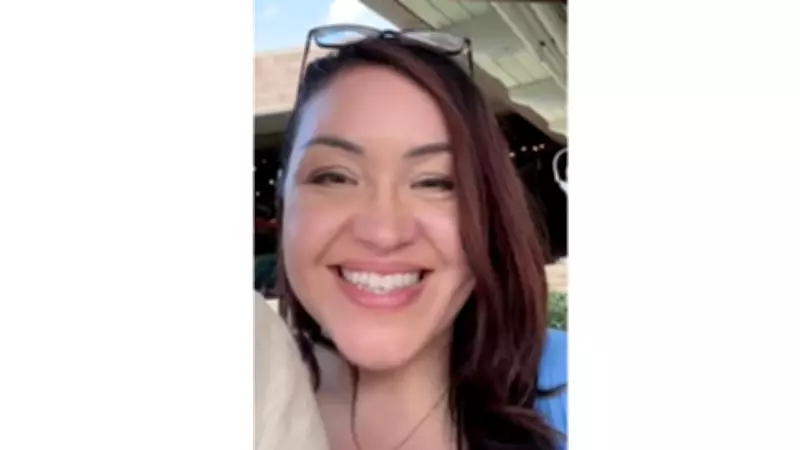
California Nurse Awarded $300,000 in Cruise Ship Alcohol Overserving Case
A 45-year-old nurse from California has been granted $300,000 in damages after a federal jury in the United States determined that a cruise operator bore partial responsibility in a legal dispute focusing on alcohol service protocols and onboard safety measures. The verdict, delivered in April 2026, underscores the complex interplay between commercial hospitality and individual accountability in incidents involving excessive drinking.
Details of the Allegations Against the Cruise Ship
According to the lawsuit filed by Diana Sanders, a registered nurse from California, she was served at least 14 shots of tequila over a span of approximately nine hours while aboard the Carnival Radiance cruise ship in January 2024. Her legal representatives contended that staff members on the vessel should have identified clear signs of her intoxication and ceased providing her with additional alcoholic beverages.
The complaint asserted that the excessive alcohol consumption resulted in a blackout episode, during which Sanders lost consciousness and awareness of her surroundings. Subsequently, she allegedly tumbled down a staircase and was later discovered in a restricted area designated solely for ship personnel. Her attorneys argued that these injuries, including a concussion, potential traumatic brain injury, and back issues, could have been prevented with timely intervention by the cruise staff.

Defense Arguments Presented by the Cruise Line
The cruise operator vigorously contested the claims, emphasizing the principle of personal responsibility. In its defense, the company maintained that Sanders voluntarily consumed the alcohol and, as an adult, was expected to manage her own intake levels responsibly.
Furthermore, the defense questioned whether the onboard staff had received sufficient and unambiguous indications that her intoxication had reached a critical threshold necessitating the termination of alcohol service. In environments like cruise ships, where alcohol consumption is prevalent, determining such thresholds can often be subjective and challenging.
Additionally, the cruise line raised doubts about causation, specifically probing whether the injuries sustained were directly attributable to overserving or rather stemmed from individual actions undertaken after the drinking had occurred.
Court Proceedings and Jury Verdict
The trial commenced on April 6, 2026, in a federal courtroom located in Miami, Florida, and extended over four days. On April 10, the jury rendered its decision, assigning 60% of the fault to the cruise operator for failing in its duty to monitor alcohol service appropriately. Concurrently, the jury found Diana Sanders 40% responsible for her own actions, acknowledging the role of personal decision-making in the incident.
The awarded damages of $300,000 exceeded the $250,000 initially sought by Sanders' legal team. The verdict was officially recorded in the court documents on April 13, 2026, marking a significant legal outcome in maritime liability cases.
Broader Implications and Ongoing Debates
While this case resulted in a split liability verdict, the broader discourse surrounding accountability in commercial settings where alcohol is served remains unresolved. As similar legal challenges continue to emerge, courts are likely to further refine the standards for apportioning responsibility in scenarios involving alcohol consumption, risk management, and hospitality service environments.
This ruling may prompt cruise lines and other hospitality businesses to reevaluate their alcohol service policies and staff training programs to mitigate future liabilities and enhance passenger safety.






