In a landmark decision, New York City is set to welcome its first-ever Las Vegas-style casinos, marking a dramatic shift in the state's gambling landscape. A key state panel approved three lucrative licenses on Monday, paving the way for massive entertainment complexes in Queens and the Bronx, while definitively ruling out any casino for Manhattan.
The Winning Trio: Billions in Investment and High-Profile Backers
The approved proposals represent a staggering total investment of over $17 billion. The most expensive plan comes from billionaire New York Mets owner Steve Cohen, who has proposed an $8.1 billion Hard Rock casino and entertainment complex on a parking lot at Citi Field in Queens. The project promises a hotel, performance venue, and extensive retail space.
In the Bronx, Bally's Corporation plans to spend $4 billion to transform the Ferry Point golf course into a casino resort. This deal holds a potential financial windfall for former President Donald Trump. When Bally's purchased the operating rights for the city-owned course from the Trump Organization in 2023, it agreed to pay an additional $115 million if it secured a casino license. Representatives for Trump did not immediately comment.

The third license goes to Resorts World, which will invest over $5 billion to expand its existing slots parlor at the Aqueduct Race Track in Queens into a full-scale casino with hotel, dining, and entertainment options, capitalizing on its proximity to John F. Kennedy International Airport.
Economic Windfall vs. Social Cost: A Heated Debate
Democratic Governor Kathy Hochul and the New York Gaming Facility Location Board champion the projects as an economic engine. Using conservative estimates, consultants project the casinos will generate $7 billion in gambling revenue for the state from 2027 to 2036, plus $1.5 billion in licensing fees and nearly $6 billion in local taxes. The plans include funding for public transit, road upgrades, and public safety, with the promise of thousands of jobs.
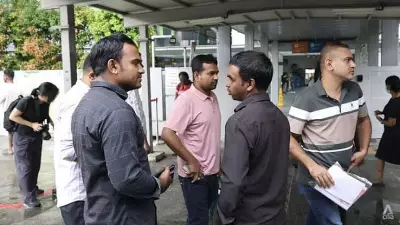
However, the decision was met with vocal opposition. As the board voted in midtown Manhattan, anti-casino protesters were escorted out chanting, "Shame on you!" Organizer Jack Hu accused the industry of targeting vulnerable populations, particularly in Asian American communities concentrated in Queens. "They bus our seniors to casinos... in the hopes that they’ll stay long enough to lose their entire Social Security check," Hu stated, warning of increased gambling addiction.
The Road Ahead: Timelines and the Manhattan Snub
The state Gaming Commission is expected to formally issue the licenses before year's end, as the anticipated revenue is already factored into the state budget. However, the board cautioned that the opening timelines are "ambitious." The Aqueduct expansion aims to open some facilities by March, while the Citi Field and Ferry Point projects target a 2030 opening.
This approval concludes a fiercely competitive process that began after a 2013 statewide referendum. Notably, all proposals for Manhattan, including a Jay-Z-backed Caesars Palace in Times Square, were scrapped. In October, MGM also withdrew its plan to expand the Empire City Casino in Yonkers. The board concluded New York City's dense, affluent population and high tourism make it a robust market capable of sustaining three casinos, with locals expected to form a core of repeat visitors.
While four full casinos operate upstate, these three licenses will finally bring live table games to the five boroughs, fundamentally altering New York City's entertainment and economic profile amidst ongoing debate about the social costs.