

Odia Scientist in Israel Navigates Daily Life Amidst Escalating Iran Conflict
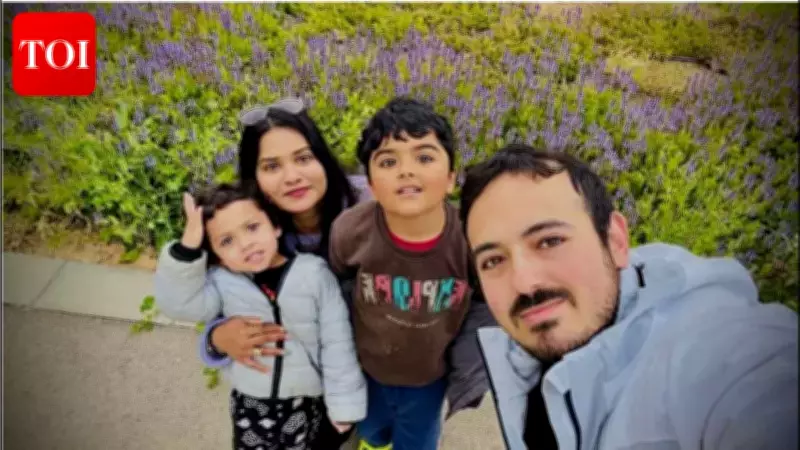
For the past two weeks, Suchismita Muduli Baron, an Odia scientist from Bhubaneswar now settled in southern Israel, has experienced a life transformed by the relentless sounds of air raid sirens, periods of tense silence, and a pervasive sense of uncertainty. Living with her husband and two young sons, Baron has largely confined herself to her home since tensions between the US-Israel alliance and Iran intensified dramatically.
Daily Routine Defined by Sirens and Shelter Drills
"This morning, the sirens signaling potential missile attacks began at 5 AM local time and persisted until 8 AM. In fact, our entire day revolves around staying alert for these alarms, rushing to safety, and comforting my children to assure them they are secure," explained Baron, a mother to a two-year-old and a six-year-old. She noted that life has undergone a complete upheaval since the outbreak of the conflict involving the US, Israel, and Iran.
Every residence in her locality, including her own, is equipped with a metal shelter room. Each time a siren blares, Baron and her children have just one minute to seek refuge in this secure space. "We are fortunate to have shelters in our houses, but in cities like Tel Aviv, there are children who have been confined to bunkers for days. My sons have learned to remain calm and safe, yet as a mother, it is heartbreaking to witness them growing up amidst such fear," she shared, adding that this marks her first direct experience with war.

Family Separation and Community Support Efforts
Compounding the stress, Baron's husband serves in the Israeli Army and is currently deployed in active conflict zones, miles away from their home. While he focuses on military duties, she dedicates herself to safeguarding their children. Amidst this turmoil, Baron is also managing an online merchandise store featuring patriotic products, with all proceeds directed toward assisting Israeli families impacted by the war.
Although most attacks have targeted northern and central regions of Israel, such as Tel Aviv, and neighboring Lebanon, Baron's area has witnessed approximately 1,000 missile interceptions to date. "Attacks occur daily, but it is not the missiles themselves that are the primary concern, as they are largely intercepted. The real danger lies in the debris from these missiles, which can be massive enough to destroy houses. The government has advised us to remain in shelters even after interceptions," stated Baron, who holds a PhD in medical science from Ben-Gurion University in Israel and is currently engaged in a cancer cure research project.
Logistical Challenges and Support Systems
On a positive note, the supply of clean drinking water, daily essentials, and medicines has remained uninterrupted so far. The Israeli government has ensured that citizens do not face shortages of food, water, or healthcare services. However, schools and offices have been closed since the attacks commenced, disrupting normal life further.
Baron, who has resided in Israel for the past decade, highlighted that numerous Odia students pursuing medical education in the country are also in a state of panic due to the ongoing conflict. Their experiences mirror the broader anxiety felt by the expatriate community during these turbulent times.






