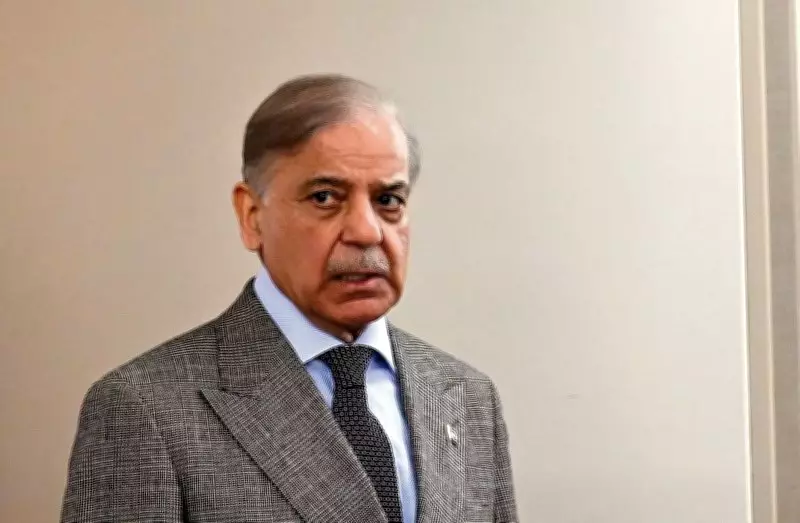
Pakistan's Prime Minister Publicly Expresses Shame During Overseas Fundraising Efforts
In a striking admission that has reverberated across the political landscape, Pakistan's Prime Minister Shehbaz Sharif has openly declared "our heads bow down in shame" while actively soliciting financial assistance from foreign nations and international institutions. This candid confession, made during high-level diplomatic engagements abroad, underscores the profound depth of the economic turmoil currently gripping the South Asian nation.
A Nation Grappling with Severe Economic Distress
The prime minister's remarks come against a backdrop of crippling inflation, a rapidly devaluing currency, and critically low foreign exchange reserves that threaten to destabilize the country's financial systems. Pakistan is navigating what many economists describe as its most challenging economic phase in decades, with essential imports becoming increasingly unaffordable and public debt reaching unsustainable levels.
Shehbaz Sharif's administration has been engaged in intensive negotiations with the International Monetary Fund (IMF) to secure a crucial bailout package, while simultaneously appealing to traditional allies including China, Saudi Arabia, and the United Arab Emirates for immediate financial support. The prime minister's emotional appeal reflects the government's desperate attempts to avert a complete economic collapse that could have devastating consequences for Pakistan's 240 million citizens.

Domestic Political Fallout and Public Reaction
The prime minister's statement has ignited a fierce political debate within Pakistan, with opposition parties seizing upon the admission as evidence of governmental failure. Critics argue that such public expressions of shame damage national prestige and undermine Pakistan's standing in the international community, while government supporters contend that the frank acknowledgment represents necessary transparency about the country's dire circumstances.
Public reaction has been mixed, with some citizens expressing solidarity with the government's difficult position, while others voice frustration about what they perceive as decades of economic mismanagement that has led to this humiliating juncture. The episode has prompted broader discussions about:
- Economic sovereignty and dependence on foreign assistance
- The long-term sustainability of Pakistan's fiscal policies
- Governance reforms needed to prevent future crises
- The psychological impact of national shame on citizen morale
Regional Implications and International Perspective
Pakistan's economic struggles carry significant implications for regional stability in South Asia, particularly given the country's strategic importance and nuclear capabilities. International observers are closely monitoring the situation, concerned about potential ripple effects that could impact:
- Regional trade dynamics and economic cooperation
- Security arrangements in a volatile geopolitical environment
- Humanitarian conditions for vulnerable populations
- Global efforts to address economic inequality between nations
The prime minister's fundraising efforts abroad represent a critical test of Pakistan's diplomatic relationships and its ability to navigate complex international financial architectures during times of crisis. As the government continues its pursuit of economic stabilization, the tension between national pride and practical necessity remains at the forefront of Pakistan's political discourse, with profound implications for the country's future trajectory and its position in the global community.