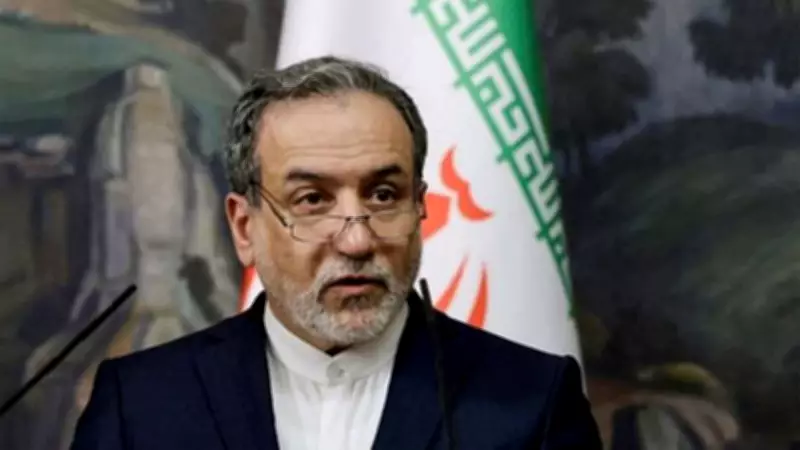
Pakistan May Join Iran-US Nuclear Talks in Turkey: Diplomatic Report
A recent diplomatic report has indicated that Pakistan may join nuclear talks between Iran and the United States, with Turkey potentially serving as the host nation for these discussions. This development could mark a significant shift in regional diplomacy, as Pakistan's involvement might influence the dynamics of the negotiations.
Potential Implications for Regional Stability
The inclusion of Pakistan in these talks is seen as a strategic move, given its geopolitical position and historical ties with both Iran and the United States. Analysts suggest that Pakistan's participation could help bridge gaps and foster a more collaborative environment. The choice of Turkey as a venue adds another layer of complexity, as it is a key NATO ally with its own interests in the region.
Background and Context of the Nuclear Discussions
The Iran-US nuclear talks have been a focal point of international diplomacy for years, aimed at addressing concerns over Iran's nuclear program. The potential involvement of Pakistan comes at a time when regional tensions are high, and there is a growing need for multilateral solutions. This report underscores the evolving nature of these negotiations, which could now expand to include more stakeholders.

Experts believe that if Pakistan joins, it might bring a unique perspective to the table, leveraging its experience as a nuclear-armed state. This could lead to more nuanced discussions and potentially pave the way for broader agreements. However, challenges remain, including differing national interests and the delicate balance of power in the Middle East.
Looking Ahead: What This Means for Global Diplomacy
As the world watches these developments, the potential for Pakistan to join the Iran-US nuclear talks in Turkey highlights the increasing interconnectedness of global diplomacy. It reflects a trend towards more inclusive negotiations that consider regional actors. The outcome of these talks could have far-reaching implications for nuclear non-proliferation efforts and international relations in the coming years.