Riyadh Rises as Primary Evacuation Hub for Gulf's Affluent Amid Escalating Regional Conflicts
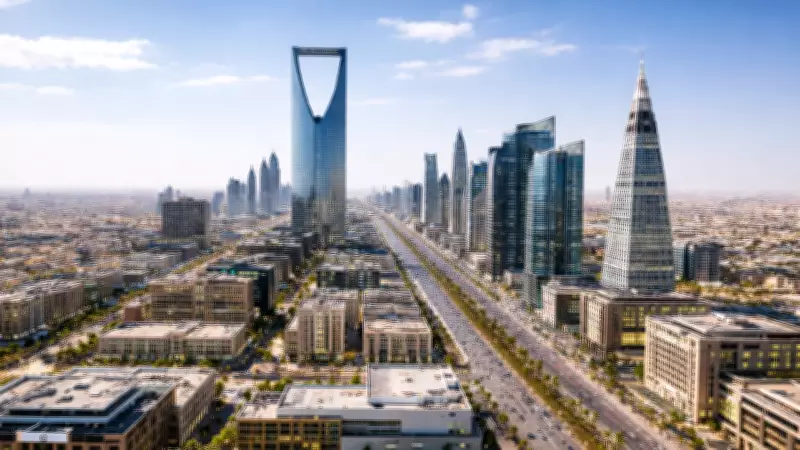
Riyadh has rapidly transformed into a critical evacuation center for high-net-worth individuals and senior corporate executives seeking to exit the Gulf region, as missile and drone assaults destabilize urban areas once considered secure sanctuaries. According to reports from Semafor, the Saudi capital is now viewed as the most viable departure point following recent strikes on major cities including Dubai, Abu Dhabi, Qatar, and Bahrain over the weekend.
Shift from Traditional Safe Havens to Riyadh's Airport
For decades, Dubai and Abu Dhabi attracted affluent residents and visitors with their tax-free policies, sunny climates, and reputations for safety. However, this perception of stability was severely shaken when Iranian missiles and drones targeted the region, prompting those with financial resources to urgently seek exit strategies. Riyadh's airport is among the few in the area still operational, compelling stranded executives and their families to undertake arduous 10-hour drives from Dubai to access available flights.
Surge in Private Security and Transportation Demands
Private security firms have mobilized fleets of SUVs to transport clients across desert terrains before arranging private aircraft charters out of the region, as cited by sources familiar with the matter in Semafor. Evacuees include prominent figures from global financial institutions and wealthy individuals visiting for business or leisure purposes. The sudden spike in demand has driven up prices significantly for both ground transportation and private aviation services.

Ameerh Naran, chief executive of Vimana Private, emphasized to Semafor, "Saudi Arabia is the only real option for people who want to get out of the region right now." He noted that private jet flights from Riyadh to Europe are now commanding prices as high as $350,000, reflecting the critical nature of the situation.
Narrowing Alternatives and Riyadh's Enhanced Position
Initially, security firms explored evacuation routes through Oman, but this option was closed after Iran struck the country's port and an oil tanker on Sunday. With alternatives diminishing, Riyadh emerged as the safest and most reliable pathway for evacuation. This development marks a significant shift for a city that historically carried higher perceived risks due to factors such as Houthi rocket attacks from Yemen disrupting Saudi airspace in earlier years.
During previous crises, including the Arab Spring and last year's 12-day conflict between the US and Iran, affluent travelers typically exited through other urban centers. Saudi Arabia's stricter religious environment and memories of terror attacks in the early 2000s had also influenced global perceptions negatively. However, relaxed visa regulations allowing many nationalities to obtain visas on arrival, combined with Riyadh's open airspace, have strengthened its current standing as a secure departure hub.
Daily Life Continuity and Business Implications
Ian McCaul, operations and future plans director at UK-based security firm Alma Risk, told Semafor that families, individuals, and corporations are seeking to leave primarily for safety reasons or to maintain business continuity amidst the turmoil. While rockets and drones have impacted other cities, daily life in Riyadh has largely proceeded uninterrupted, reinforcing its newfound role as the region's most dependable evacuation point.
This evolving scenario underscores the dynamic nature of security perceptions in the Middle East, with Riyadh stepping into a crucial role during times of heightened regional tensions and conflict.