

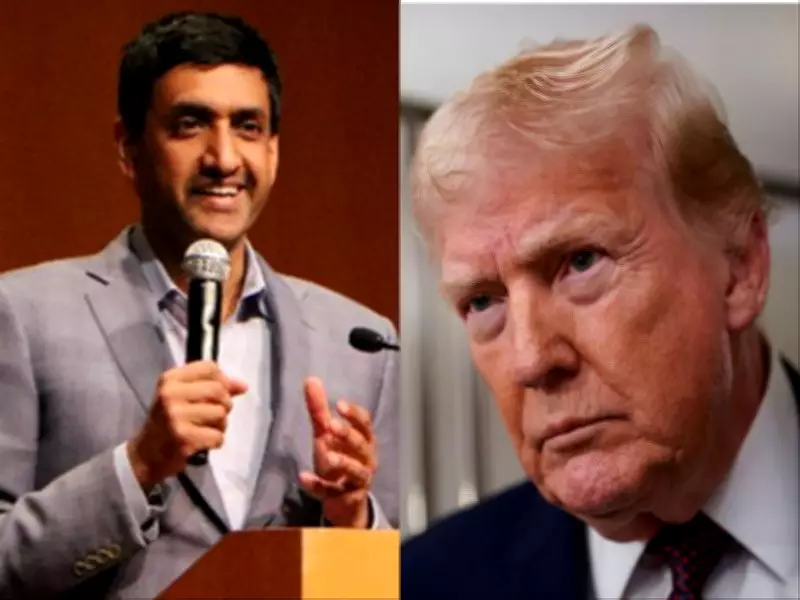
Democratic Representative Ro Khanna of California has defended his practice of engaging with a broad spectrum of political figures, including those from opposing parties, after coming under fire from former President Donald Trump and Fox News. Khanna, a prominent progressive voice in Congress, emphasized that his willingness to talk to everyone is rooted in a strategy to advance progressive policies effectively.
Khanna's Response to Criticism
In a statement, Khanna said, "That's why I talk to everyone." He argued that building bridges across the aisle is essential for achieving legislative goals, even when dealing with critics. The congressman noted that his approach has helped secure key provisions in major bills, such as the Inflation Reduction Act and the CHIPS Act.
Trump's Attacks and Fox News Role
The controversy began when Trump, in a recent interview, criticized Khanna for being "too friendly" with Republicans. Fox News also aired segments questioning Khanna's loyalty to the Democratic Party. However, Khanna dismissed these attacks as politically motivated, asserting that his record speaks for itself.

Bipartisan Engagement as a Strategy
Khanna highlighted that his efforts to communicate with all sides have yielded tangible results. He cited his work with Republican colleagues on technology policy and trade as examples of successful bipartisan collaboration. "Progress requires dialogue, not division," Khanna stated.
Progressive Goals and Cross-Party Dialogue
Despite facing pushback from some progressive circles, Khanna remains committed to his inclusive approach. He believes that engaging with critics can help shift the national conversation and bring more people into the fold of progressive ideas. "You can't change minds if you don't talk to people," he added.
Reactions from Political Analysts
Political analysts have offered mixed reactions to Khanna's strategy. Some praise his willingness to reach across the aisle, while others caution that it could alienate his base. Nonetheless, Khanna's stance underscores the ongoing debate within the Democratic Party about the best path forward in a polarized political landscape.

