

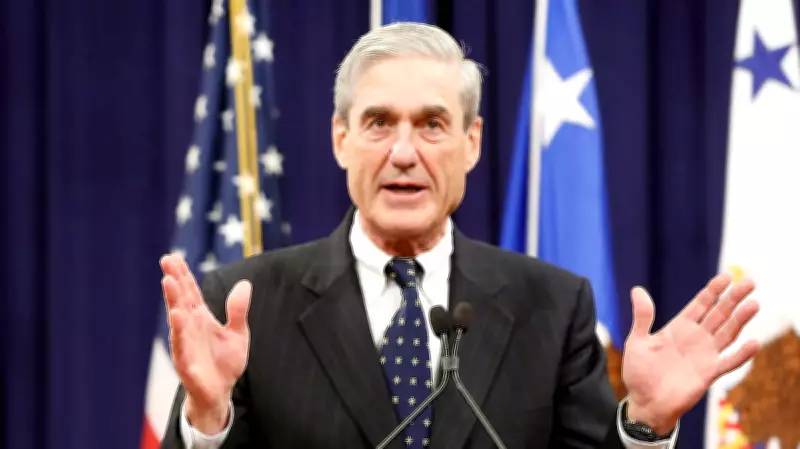
Robert Mueller, Special Counsel in Trump-Russia Investigation and Former FBI Director, Passes Away at 81
Robert Mueller, the special counsel who led the high-profile investigation into Russian interference in the 2016 U.S. presidential election but ultimately did not charge former President Donald Trump, has died at the age of 81. Media reports confirmed his passing on March 22, 2026, though they did not specify an immediate cause of death.
A Distinguished Career in Law Enforcement and Public Service
Mueller was a decorated Vietnam War veteran who received the Bronze Star and Purple Heart for his service. His career in law enforcement was marked by significant leadership roles, most notably as the director of the Federal Bureau of Investigation (FBI) from 2001 to 2013. He took the helm of the FBI just days before the devastating September 11, 2001, terrorist attacks on the United States, guiding the agency through a critical period of national security challenges and reorganization.
His tenure as FBI director was the second-longest in history, spanning the administrations of Presidents George W. Bush and Barack Obama. Mueller was widely respected for his integrity and non-partisan approach, qualities that later led to his appointment as special counsel.

The Special Counsel Investigation and Its Aftermath
In May 2017, Mueller was appointed as special counsel by the Department of Justice to investigate Russian interference in the 2016 election and any potential links or coordination between the Trump campaign and Russian officials. The investigation, which lasted nearly two years, resulted in numerous indictments and convictions of Trump associates, but Mueller's final report, released in 2019, did not establish that the Trump campaign conspired with Russia.
While the report did not exonerate Trump on obstruction of justice, Mueller declined to recommend criminal charges against the former president, citing Department of Justice policy against indicting a sitting president. This decision sparked intense political debate and controversy, with Trump repeatedly calling the investigation a "witch hunt."
Health Challenges and Legacy
In 2025, The New York Times reported that Mueller had been diagnosed with Parkinson's disease, a progressive neurological disorder. This health condition had limited his public appearances in recent years, though he remained a figure of significant interest in American political and legal circles.
Mueller's legacy is multifaceted:
- As a war hero and dedicated public servant who served his country in both military and civilian capacities.
- As the FBI director who modernized the agency post-9/11 and oversaw counterterrorism efforts during a turbulent era.
- As the special counsel who conducted one of the most scrutinized investigations in modern U.S. history, upholding legal standards despite immense political pressure.
His death marks the end of an era for American law enforcement and justice. Tributes have begun pouring in from across the political spectrum, highlighting his commitment to duty and the rule of law. Mueller is survived by his wife Ann and their two daughters, though further details about funeral arrangements or memorial services have not yet been announced.






