

US-Sanctioned Tanker Linked to China Reverses Course After Testing Trump's Naval Blockade
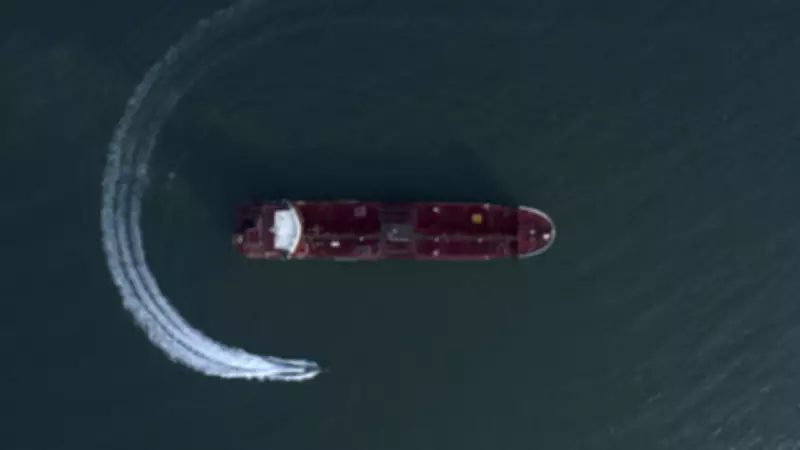
A US-sanctioned tanker connected to China, closely monitored as one of the first vessels to test President Donald Trump's naval blockade, appeared to reverse its course after navigating through the Strait of Hormuz early on Tuesday. According to vessel-tracking data compiled by Bloomberg, the tanker Rich Starry transited the strategic strait before turning around later in the Gulf of Oman.
Background and Sanctions
The ship had been blacklisted by Washington in 2023 for its role in assisting Tehran to evade energy sanctions. Its movements have garnered significant attention from various stakeholders, including shipowners, energy traders, and financial market investors. These groups are keenly observing how the latest US measures against Iran will be enforced and what impact they may have on global oil flows.
US Naval Presence and Enforcement Challenges
The United States has strategically positioned naval forces in the Gulf of Oman and the Arabian Sea with the objective of intercepting Iranian vessels attempting to exit the Persian Gulf. However, tracking maritime activity in this region has proven to be exceptionally difficult due to widespread signal jamming and spoofing.

Rich Starry has previously been associated with satellite signal spoofing, as reported by TankerTrackers.com Inc., an organization that utilizes satellite data to monitor vessel movements. This technological interference complicates efforts to accurately track and enforce the blockade.
Detailed Movements and Destination Changes
This incident was not the first time the tanker has reversed its course. On Monday, it initially appeared to turn back near the Strait of Hormuz before resuming its journey several hours later. Following its latest reversal, the tanker listed its destination as "for orders." Earlier signals had referenced the Omani port of Sohar, indicated Chinese ownership and crew, and again noted "for orders."
Another Tanker Under Scrutiny
Another vessel, the tanker Elpis, was also moving through the strait as the blockade commenced. It entered the Gulf of Oman before stopping off the Iranian coast. Data from ship-tracking platforms Kpler and Vortexa, cited by Bloomberg, reveal that Elpis had previously docked at an Iranian port before attempting the passage. This history potentially makes it a target for US naval patrols, highlighting the broader enforcement challenges.
Expert Analysis on Enforcement Spectrum
"The real issue is not simply whether ships can pass through Hormuz, but what spectrum of enforcement options US warships apply, and where they choose to apply them," stated Charlie Brown, an advisor to United Against Nuclear Iran. This US-based lobby and pressure group focuses on Tehran, emphasizing the complexities involved in implementing and maintaining the naval blockade effectively.
The ongoing developments underscore the intricate dynamics of maritime security, international sanctions, and geopolitical tensions in one of the world's most crucial oil transit routes.

