School Security Cameras in US Reportedly Used for Immigration Enforcement
Security cameras installed in American schools to protect students are now being utilized to assist federal immigration enforcement, according to a joint investigation by The 74 and The Guardian. The findings reveal a troubling expansion of surveillance that has alarmed parents, educators, and civil rights advocates nationwide.
License Plate Reader Data Shared Across Police Networks
Audit logs obtained from multiple Texas school districts demonstrate that local police departments are accessing license plate reader data collected from school premises. This technology, supplied by Atlanta-based company Flock Safety, captures detailed information including license plate numbers, precise timestamps, and exact location data.
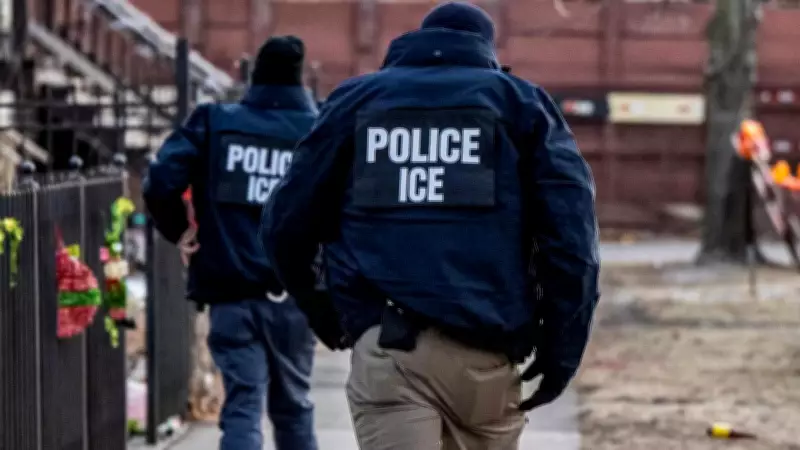
While schools purchase these surveillance devices specifically for campus safety purposes, the collected data can be shared through a national police network. This sharing arrangement enables law enforcement agencies in different states to conduct searches using school-collected information. In numerous documented instances, these searches were explicitly performed to support immigration enforcement efforts by the U.S. Department of Homeland Security.

Texas Districts Show Extensive Surveillance Activity
Records from Texas school districts, including Alvin Independent School District, reveal the staggering scale of this surveillance network. In just one month, over 700,000 searches were conducted using school camera data. Among these searches, 620 were directly related to immigration enforcement activities.
Law enforcement officers interviewed for the investigation stated they frequently assist federal agencies "without hesitation" when requested. This cooperation has raised significant concerns about the appropriate use of technology originally intended for student protection.
Experts Warn of Constitutional and Privacy Violations
Phil Neff, research coordinator at the University of Washington Center for Human Rights, expressed serious concerns about this practice. "Out-of-state law enforcement using school cameras for purposes unrelated to student safety strains any sense of appropriate technology use," Neff told investigators.
Similarly, Ed Vogel from the NOTICE Coalition emphasized the dangers of this expanded surveillance. "The scale of these searches shows how dangerous these tools are when used beyond their intended purpose," Vogel stated in the investigation.
Educators and Parents Demand Accountability
Randi Weingarten, president of the American Federation of Teachers, strongly condemned the practice in a statement to investigators. Weingarten called it an "egregious end run around the Constitution" and warned that accessing campus surveillance feeds violates the rights of students and families "to be free from unreasonable search and seizure."
The teachers' union has previously taken legal action against immigration enforcement policies, having sued the Trump administration after it terminated a longstanding policy prohibiting immigration enforcement activities near schools.
Legal Experts Highlight Privacy Concerns
Adam Wandt, an attorney and associate professor at New York City's John Jay College of Criminal Justice, acknowledged that license plate readers can be valuable tools for solving serious crimes. However, he emphasized that "the broad sharing of school data for immigration purposes raises significant privacy concerns."
Vogel added that students and parents should actively demand transparency regarding whether their schools' camera data is being shared with immigration authorities. "There needs to be clear accountability and oversight," he emphasized in an interview with The 74.
Company Response and Broader Implications
Flock Safety maintains in official statements that local schools retain control over how their data is shared and that federal agencies cannot directly access school cameras. However, public records obtained during the investigation show that nationwide data sharing is common practice, often approved with minimal review by participating agencies.

Privacy advocates warn that this use of school surveillance technology could trigger broader debates in school districts across the United States. They emphasize the "unique responsibility" schools have to protect their students, as noted by Wandt in the investigation. The controversy highlights the tension between security measures and privacy rights in educational settings, with implications that extend far beyond immigration enforcement to fundamental questions about surveillance in American society.