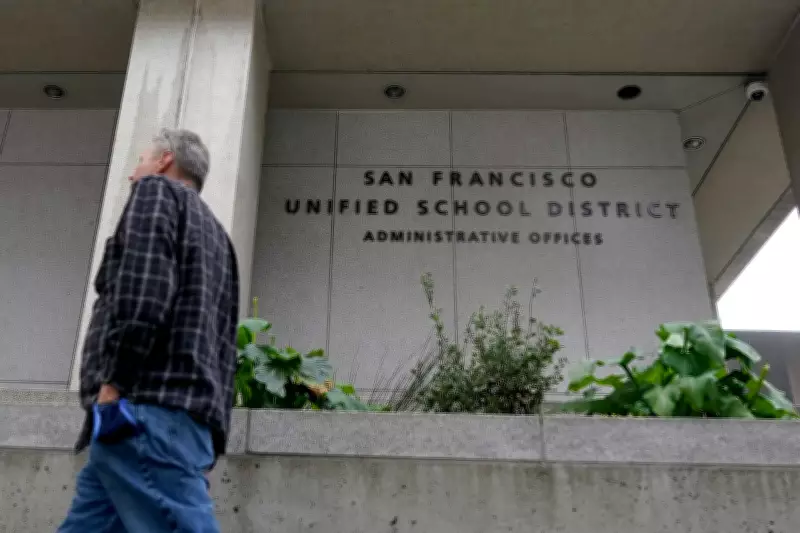
Historic San Francisco Teachers Strike Halts Classes Across City
In a landmark labor action not seen in nearly five decades, thousands of public school educators in San Francisco walked off the job on Monday, effectively closing all 120 schools within the San Francisco Unified School District. This unprecedented strike comes after months of fruitless contract negotiations between district administrators and the United Educators of San Francisco union, with core disputes centering on inadequate salaries, soaring healthcare premiums, and insufficient support for vulnerable student populations.
Union Demands: Healthcare, Salaries, and Student Support
The striking teachers, represented by the United Educators of San Francisco, have presented a clear set of demands to the financially troubled district. Their primary requests include a fully funded family healthcare plan, a significant 9% salary increase spread over two years, and the implementation of stronger policies to assist homeless and immigrant students. Union President Cassondra Curiel emphasized the critical nature of the healthcare issue, stating that monthly family premiums averaging $1,500 are driving talented educators and support staff out of the city's school system.
"This week, we said enough is enough," Curiel declared, highlighting the exodus of personnel that threatens educational quality. The union has also pushed for the district to fill numerous vacant positions in special education and other essential support services, arguing that these roles are vital for improving learning outcomes for students with additional needs.

District's Financial Constraints and Counteroffer
The San Francisco Unified School District, currently under state oversight due to a prolonged financial crisis, faces a daunting $100 million budget deficit. In response to union demands, district officials have proposed a more modest 6% wage increase to be implemented over three years, coupled with potential bonus payments contingent on the district achieving a surplus by the 2027–28 fiscal year.
Regarding healthcare, the district has offered two alternatives: covering 75% of family plan costs under Kaiser Permanente or providing an annual allowance of $24,000 for teachers to select their own health insurance. A neutral fact-finding panel recently recommended a compromise of a 6% raise over two years, largely supporting the district's position that its financial limitations are severe. District representatives have expressed willingness to continue negotiations but maintain they cannot approve demands that would exacerbate the existing deficit.
Political Response and Community Impact
The strike has drawn attention from high-profile political figures, including San Francisco Mayor Daniel Lurie and Democratic U.S. Representative Nancy Pelosi. Both have urgently called for continued negotiations to prevent extended school closures. Mayor Lurie, who previously helped resolve a hotel workers strike, announced that city agencies are coordinating with the school district to provide support for students and families during the disruption.
The immediate impact on the community is substantial:
- All 120 public schools in the district are closed, affecting approximately 50,000 students.
- Limited independent study and remote learning options have been made available, but families are largely responsible for making alternative arrangements.
- Parents have expressed mixed reactions, showing support for teachers' demands while worrying about the disruption to their children's education.
Union leaders joined picket lines after weekend negotiations collapsed, with a news conference and a rally at San Francisco City Hall planned for Monday. Negotiations are scheduled to resume midday Monday, with both sides expressing hope for a swift compromise to minimize the strike's duration and impact on students' academic progress.