Slovak PM Fico's Fiery Rebuke of Zelensky and EU Sanctions Policy
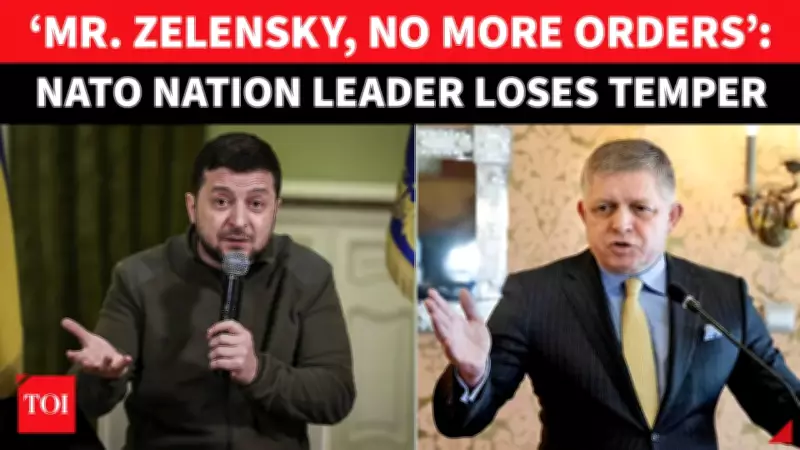
In a sharply worded address from Bratislava, Slovak Prime Minister Robert Fico delivered a blistering critique targeting both Ukrainian President Volodymyr Zelensky and the European Union's latest sanctions package against Russia. The remarks, made amid ongoing tensions over the Druzhba pipeline dispute, underscore deepening divisions within the bloc over support for Kyiv.
'We Serve Ourselves, Not Ukraine': Fico's Core Message
Fico explicitly rejected any notion that Slovakia should act as a subordinate to Ukraine, stating emphatically that the nation's interests come first. "We serve ourselves, not Ukraine," he declared, accusing Zelensky of overstepping boundaries in the context of regional energy and diplomatic matters. This direct challenge to Kyiv's leadership highlights the growing friction between some EU member states and Ukraine's government.
Criticism of EU's Twentieth Sanctions Package
The Slovak leader lambasted the EU's twentieth round of sanctions against Moscow as "reckless and self-damaging." He argued that these measures would disproportionately hammer member states such as Greece, Malta, and Cyprus, while doing little to effectively weaken Russia's position. Fico warned that the sanctions risk escalating tensions across the European Union and further deepening existing divisions over the bloc's unified support for Ukraine.

- Accusation of Ukrainian overreach in the Druzhba pipeline row.
- Assertion that Slovakia prioritizes its own national interests over external demands.
- Warning about the economic impact of EU sanctions on vulnerable member states.
- Doubt cast on the efficacy of sanctions in weakening Moscow's stance.
Broader Implications for EU Unity
Fico's comments reflect a significant rift within the European Union regarding the ongoing conflict and the bloc's response. By publicly challenging both Zelensky and EU policy, Slovakia joins a growing list of nations questioning the sustainability and strategic wisdom of current approaches. The Prime Minister's stance suggests a potential shift in Eastern European diplomacy, emphasizing national sovereignty and pragmatic economic considerations over unified geopolitical posturing.