US Supreme Court Strikes Down Trump's Use of Emergency Powers for Tariffs
The United States Supreme Court has delivered a significant ruling that President Donald Trump cannot legally invoke emergency powers under the International Emergency Economic Powers Act (IEEPA) to impose tariffs. This decision directly blocks a key component of his aggressive trade strategy, though it does not signal an end to the broader trade war that has defined much of his administration's economic policy.
Impact on Reciprocal Tariffs and Current Rates
The ruling primarily affects the "reciprocal tariffs" that Trump announced in April from the White House Rose Garden. These tariffs had elevated average rates to approximately 15%, but the court's decision is expected to reduce that figure by more than half. Importantly, other tariff measures remain unaffected, including sector-specific levies on steel, pharmaceuticals, and automobiles under existing trade agreements such as the UK deal. Consequently, the overall average tariff rate persists above 6%, which is roughly three times higher than at the beginning of 2025.
For importers, the immediate consequences may be somewhat limited. Many businesses have already adjusted their supply chains to circumvent heavily tariffed nations like China or have absorbed the additional costs internally. Last year, tariff revenues soared to $240 billion, which helped cushion the financial impact on American households.

Trump's Response: New Tariffs and Legal Maneuvers
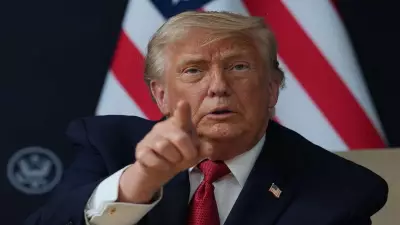
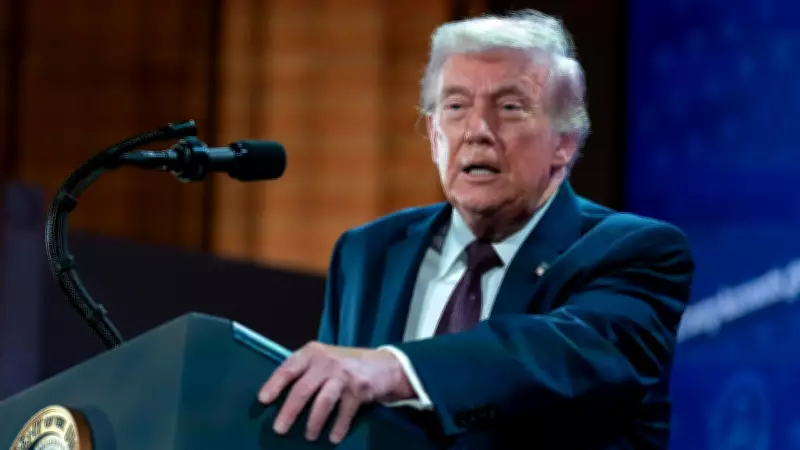
Despite the Supreme Court's ruling, President Trump is pressing forward with his trade agenda. Mere hours after the decision, he announced a new 10% global tariff and initiated further investigations into unfair trade practices utilizing the Trade Act of 1974. Trump asserted, "We have other ways, numerous other ways. While I am sure that they did not mean to do so, the Supreme Court's decision today made a president's ability to both regulate trade and impose tariffs more powerful and more crystal clear, rather than less."
US Treasury Secretary Scott Bessent indicated that these new measures are anticipated to "result in virtually unchanged tariff revenue in 2026." However, these alternative legal pathways are notably more intricate, featuring caps on tariff amounts and durations, along with procedural requirements such as investigations and hearings.
Legal Framework and Procedural Complexities
Section 122 of the Trade Act permits tariffs of up to 15% for a maximum of 150 days to address "fundamental international payments problems." Other sections mandate thorough investigations to ascertain whether tariffs are necessary for national security or to rectify unfair trade practices. President Trump acknowledged that this revised process is more time-consuming, stating, "The process takes a little more time, but the end result is going to get us more money." Regarding existing trade agreements, he added, "Many of them stand. Some of them won't, and they'll be replaced with the other tariffs."
Consequences for Importers and Global Trade Dynamics
Smaller US importers continue to face persistent uncertainty. Last year's tariffs compelled numerous companies to reconfigure their supply chains, benefiting nations like Thailand and Vietnam, while China maintained a strong position due to robust imports of IT hardware. The ruling also raises pertinent questions about potential refunds for tariffs already collected. Economist Erin McLaughlin, cited by The Guardian, noted that "many studies show that US firms have paid 90% of that," frequently passing these costs onto consumers. Trump dismissed any notion of refunds, declaring, "It's not [being] discussed. We'll end up being in court for the next five years."
Future Outlook and Strategic Implications
The Supreme Court's decision effectively removes one instrument from President Trump's trade policy arsenal, yet his overarching strategy remains intact. The administration now confronts a more convoluted legal route to enforce tariffs, which may entail extended timelines and comprehensive investigations. Simultaneously, global trading partners are likely to persist in seeking more stable alliances, thereby shifting supply chains and trade flows in response to the ongoing unpredictability.

This development underscores the intricate balance between executive authority and judicial oversight in shaping international trade policy, with lasting implications for economic relations worldwide.