Japan's Prime Minister Sanae Takaichi Takes a Bold Political Gamble with Snap Election
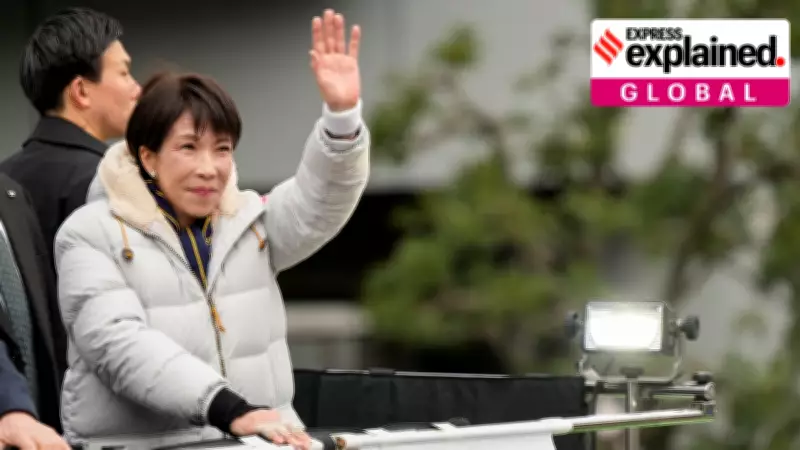
In a high-stakes political maneuver, Japanese Prime Minister Sanae Takaichi has called for a snap election, marking a pivotal moment in her brief tenure. After just over 100 days in office, Takaichi aims to capitalize on her popularity to secure the parliamentary seats necessary for advancing her ambitious economic and security agenda. This decision comes at a critical juncture for Japan, as the nation navigates escalating tensions with China and the unpredictable foreign policy landscape under U.S. President Donald Trump.
A Conservative Vision for a Stronger Japan
Takaichi, a hard-line conservative, has energized right-wing groups with promises to tighten immigration policies and build what she describes as a "strong and prosperous" Japan. Her political philosophy aligns closely with that of her mentor, Shinzo Abe, Japan's longest-serving prime minister, who was assassinated in 2022 after leaving office. Takaichi's agenda includes:
- Increasing military spending to bolster national defense
- Strengthening Japan's security laws to address emerging threats
- Reducing the cost of living to alleviate economic pressures on citizens
- Pushing for constitutional amendments to unfetter Japan's military capabilities
If successful, this election could propel Japan further to the right, reshaping its domestic and international policies. Takaichi has emphasized the need to "restore Japan's backbone," a rallying cry that resonates with her conservative base.

Navigating International Challenges: China and the Trump Factor
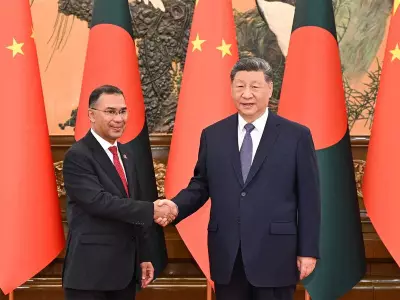
The geopolitical landscape presents significant challenges for Takaichi's administration. Japan is embroiled in a feud with China, which has taken actions detrimental to Japan's economy, including discouraging tourism. Chinese tourists account for more than a fifth of Japan's tourism revenue, making this a substantial economic concern.
In November, Takaichi stirred controversy by suggesting that Japan could intervene militarily if China were to attack Taiwan, a self-governed democracy claimed by Beijing. This statement marked a departure from Japan's previous policy of avoiding explicit mentions of Taiwan in "survival-threatening situations." While critics argue that this has unnecessarily inflamed tensions and exposed Japan to economic coercion, it has also garnered support from voters, particularly younger generations questioning Japan's long-standing pacifism.
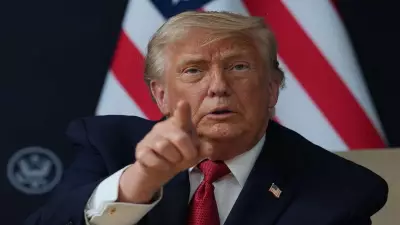
Simultaneously, Takaichi faces the unpredictable foreign policy of the United States under President Donald Trump. She has worked to forge close ties with Trump, with a planned meeting in Washington next month, aiming to stabilize Japan-U.S. relations amidst global uncertainties.
Capitalizing on Popularity Amidst Political Risks
Takaichi's decision to call an election so early in her tenure reflects a strategic move to leverage her high approval ratings, which consistently exceed 60%—double that of her Liberal Democratic Party (LDP). Her popularity has inspired a cultural phenomenon, with memes, murals, and merchandise like folding fans and cookies celebrating her image.
Polls indicate that the LDP could secure a significant victory in the upcoming election, potentially reviving the party's fortunes after recent struggles. "Her star would be golden," noted Sheila A. Smith, a senior fellow at the Council on Foreign Relations. "She would have rescued the party from the abyss." However, Takaichi has pledged to step down if the LDP fails to win a majority, adding pressure to an already tense political climate.
Logistical Hurdles and Opposition Criticism
The snap election has introduced logistical challenges, as it was called with minimal notice, resulting in one of the shortest election cycles in modern Japanese history. Candidates faced shortages of printed posters and campaign vehicles equipped with loudspeakers, forcing many to resort to handmade signs and alternative methods to reach voters.

Adding to the complexity, the election coincides with harsh winter conditions, including snowstorms that have blanketed parts of Japan, including Tokyo. This has made it difficult for voters to cast ballots and for candidates to campaign effectively. Kosuke Kita, an opposition candidate from Yamagata, described the challenges: "People don't stop long enough to listen to me or shake hands with me in town because it's snowing."
Opposition parties have criticized Takaichi's economic policies as irresponsible and accused her of exacerbating tensions with China. Komeito, a main opposition party, labeled her remarks on Taiwan as "ill advised," warning that deteriorating Japan-China relations could threaten access to critical resources like rare earth minerals from China.
The Path Forward: A Defining Moment for Japan
As Japan heads to the polls, the outcome of this snap election will have far-reaching implications. A victory for Takaichi could empower her to push through transformative policies, from military expansion to constitutional changes, positioning Japan as a more assertive player on the global stage. Conversely, a setback could undermine her leadership and destabilize the LDP's resurgence.
In a world marked by geopolitical rivalries and economic uncertainties, Takaichi's bold bet underscores the high stakes of Japanese politics. Whether she emerges triumphant or faces defeat, this election will shape Japan's trajectory in an era defined by the Trump factor and an ongoing feud with China.