Trump Administration Appoints 33 New Immigration Judges, Many With Military Experience
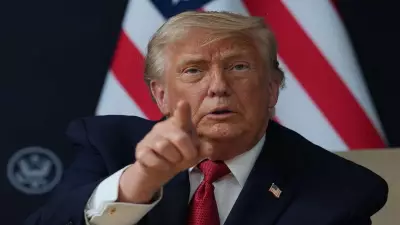
The Trump administration has made a significant move in the U.S. immigration system by appointing 33 new immigration judges, with a notable emphasis on hiring individuals with military backgrounds. This strategic appointment, announced by the Department of Justice (DOJ), is part of a broader effort to reshape immigration enforcement and judicial processes. According to experts, this development could have a more profound and lasting impact on immigration cases than the routine actions carried out by Immigration and Customs Enforcement (ICE).
Fast-Track Regulation to Shorten Appeal Times
In conjunction with these appointments, the administration plans to introduce a fast-track regulation that will dramatically alter the appeals process for immigration decisions. As highlighted by Indian-origin historian Varad Mehta in a recent post on X, the regulation aims to reduce the time allowed for appealing an immigration judge's decision to just 10 days. Additionally, it will make it easier for the appeals board to dismiss appeals outright.
Varad Mehta commented, "This may matter more in the end than what ICE does." His observation underscores the potential long-term consequences of these procedural changes, which could streamline deportation processes and limit legal recourse for migrants.

Details of the New Judicial Appointments
The DOJ confirmed that the new judges were sworn in on Thursday, following an earlier hiring wave in October that brought on 36 immigration judges, including 25 temporary appointees. The latest group of judges will be stationed across immigration courts in multiple states, including:
- Arizona
- California
- Colorado
- Florida
- Georgia
- Illinois
- Louisiana
- Maryland
- Massachusetts
- Nebraska
- New York
- Texas
- Utah
- Virginia
- Washington
A Justice Department spokesperson defended the appointments, stating, "After four years of Biden administration hiring practices that undermined the credibility and impartiality of the immigration courts, this Department of Justice continues to restore integrity to our immigration system and is proud to welcome these talented immigration judges to join in our mission of protecting national security and public safety."
Military Backgrounds and Temporary Appointments
Half of the new permanent judges have military backgrounds, reflecting a deliberate hiring strategy. Furthermore, all temporary judges, who can serve for up to six months, also come from military ranks. This aligns with a September announcement from the Pentagon, which indicated that military and civilian lawyers under Defense Secretary Pete Hegseth would temporarily serve as immigration judges.
These appointments follow a period of significant turnover in the immigration judiciary. Since President Donald Trump returned to office for a second term, more than 100 immigration judges out of approximately 700 nationwide have been fired or pushed out. This reduction has raised concerns about the capacity to manage the growing backlog of immigration cases.
Impact on Immigration Case Backlog and Detention Policies
The American Immigration Lawyers Association has warned that the loss of judges has exacerbated the challenges in handling the immigration case backlog. As of December 31, around 3.2 million cases were pending in immigration courts, according to data analyzed by the nonprofit Mobile Pathways.
In addition to judicial changes, the Trump administration has implemented stricter detention policies for migrants. Many individuals who previously could have been released on bond are now being held in detention. This shift follows a September ruling by the Board of Immigration Appeals that reinterpreted a key law, a move that has faced criticism from numerous federal judges.

Who Is Varad Mehta?
Varad Mehta is an Indian-origin historian specializing in how societies understand and utilize history. His research focuses on the eighteenth century and the Enlightenment, exploring themes of modernity, historical interpretation, and political thought. He also has interests in intellectual history, the philosophy of history, and the representation of the past in films and television.
The ongoing changes in immigration policy and judicial appointments highlight the Trump administration's concerted efforts to reform the U.S. immigration system, with potential implications for millions of pending cases and the broader landscape of immigration enforcement.