Trump Labels US Intel Chief Tulsi Gabbard as 'Softer' on Iran Nuclear Stance
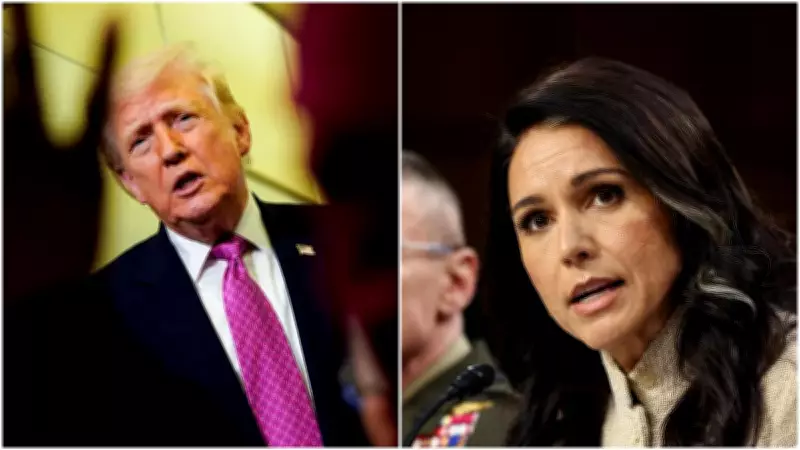
Former President Donald Trump has openly criticized the current US intelligence chief, Tulsi Gabbard, describing her approach to the Iran nuclear issue as 'softer' than his own. This remark came as Trump returned to Washington, D.C., following a weekend spent at his residence in Florida, sparking discussions about foreign policy divergences within the US leadership.
Divergent Thought Processes Highlighted
In his comments, Trump emphasized that Gabbard exhibits a 'little bit different' thought process compared to him when it comes to handling Iran's nuclear ambitions. This statement underscores potential tensions or varied perspectives within the US administration regarding one of the most critical international security matters.
The Iran nuclear issue has long been a focal point of global diplomacy, with previous administrations navigating complex negotiations and sanctions. Trump's assertion suggests that under Gabbard's leadership, the US intelligence community might be adopting a more conciliatory or nuanced stance, which contrasts sharply with his historically hardline position.

Implications for US Foreign Policy
This public critique raises important questions about the consistency and direction of US foreign policy, particularly in relation to Iran. Key aspects to consider include:
- The potential impact on ongoing diplomatic efforts and nuclear talks with Iran.
- How such differences might affect intelligence assessments and strategic decisions.
- The broader implications for US alliances and international relations in the Middle East.
As a former president, Trump's words carry significant weight and could influence public and political discourse, especially given his active role in current affairs. Observers are now closely watching how Gabbard and the Biden administration respond to these comments, as they may signal shifts in policy or internal disagreements.
The timing of this statement, following a private weekend in Florida, adds a layer of intrigue, suggesting that Trump remains engaged in critiquing his successors from outside the Oval Office. This incident highlights the ongoing debates over Iran's nuclear program and the diverse approaches within American politics to address such complex global challenges.