

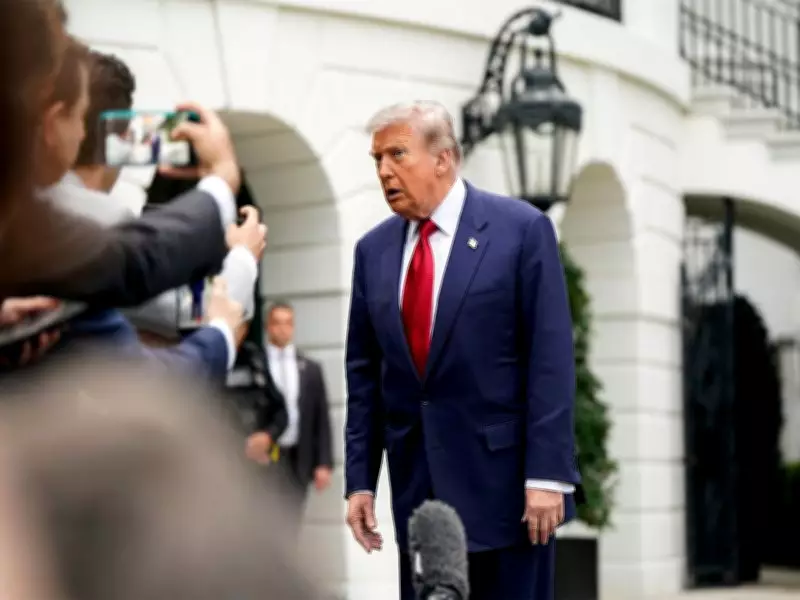
Former US President Donald Trump has hinted at the possible revival of the 'Project Freedom Plus' initiative, which aimed to escort commercial vessels through the strategic Strait of Hormuz. This statement comes amid ongoing tensions with Iran and the failure to reach a new nuclear agreement.
Background of Project Freedom Plus
Project Freedom Plus was originally conceived during the Trump administration as a multinational effort to ensure safe passage for ships in the Persian Gulf and the Strait of Hormuz. The initiative was a response to what the US described as threats from Iran against maritime traffic in the region.
Trump's Recent Remarks
Speaking at a campaign event, Trump indicated that if Iran does not sign a comprehensive nuclear deal, his administration would consider reinstating the naval escort program. He emphasized the importance of protecting global oil supplies and maintaining freedom of navigation.

The Strait of Hormuz is a critical chokepoint through which about 20% of the world's oil passes. Any disruption in this area could have severe consequences for the global economy.
Iran's Response
Iranian officials have condemned the potential revival of the program, calling it a provocative act. They argue that the presence of foreign naval forces in the region only escalates tensions and undermines regional stability.
International Reactions
Key allies, including the United Kingdom and Saudi Arabia, have expressed support for maintaining security in the strait. However, some European nations have urged caution, advocating for diplomatic solutions over military posturing.
Analysts suggest that the revival of Project Freedom Plus could further complicate ongoing nuclear negotiations, which have been stalled for months. The initiative may also strain relations between the US and other stakeholders in the Iran deal.
Strategic Implications
The Strait of Hormuz remains a flashpoint in the broader US-Iran conflict. Escorting vessels through the strait would require a significant naval presence and could lead to direct confrontations.
Trump's remarks signal a return to his 'maximum pressure' policy on Iran, which included sanctions and military deterrence. Critics argue that such tactics have failed to achieve a diplomatic breakthrough and may push Iran closer to developing nuclear weapons.
As the 2024 election approaches, Trump's stance on Iran is likely to be a key campaign issue. His supporters view the tough approach as necessary for national security, while opponents warn of the risks of another military entanglement in the Middle East.

