Donald Trump Alleges India Planned Operation Sindhoor to Assassinate Pakistan PM Shehbaz Sharif
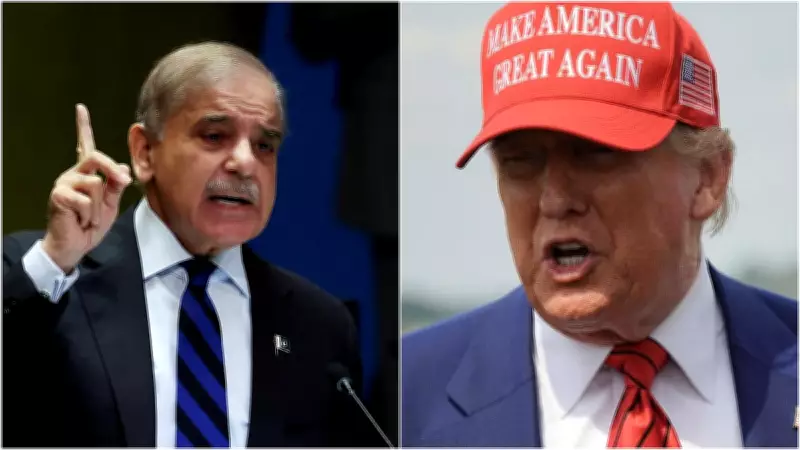
In a startling claim that has sent shockwaves through international diplomatic circles, former US President Donald Trump has alleged that India planned a covert operation, codenamed 'Operation Sindhoor,' with the objective of assassinating Pakistan's Prime Minister Shehbaz Sharif. Trump made these explosive remarks during a recent political rally, asserting that if he had been in office, Sharif would have died as a result of this alleged plot.
The Allegations and Their Context
Speaking to a crowd of supporters, Trump detailed his version of events, suggesting that Indian authorities devised Operation Sindhoor as a strategic move to eliminate the Pakistani leader. He claimed that his administration's vigilance and policies prevented the operation from succeeding, implying that under his presidency, such actions would have been thwarted more effectively. This statement comes amid ongoing tensions between India and Pakistan, two nuclear-armed neighbors with a history of conflict and diplomatic strife.
The timing of Trump's claim is particularly notable, as it surfaces during a period of heightened geopolitical scrutiny in South Asia. Relations between India and Pakistan have been strained over issues such as terrorism, border disputes, and regional influence. Trump's allegations add a new layer of complexity to these already fraught dynamics, potentially impacting bilateral talks and international perceptions.

Reactions from India and Pakistan
In response to Trump's claims, Indian officials have categorically denied any involvement in such an operation. A spokesperson for the Indian government stated, "These allegations are baseless and unfounded. India adheres to international norms and does not engage in activities that threaten the sovereignty of other nations." The denial was swift and firm, reflecting India's stance on maintaining diplomatic decorum and denying any covert aggression.
On the other hand, Pakistan has yet to issue an official statement regarding Trump's remarks. However, analysts predict that the claim could fuel anti-India sentiment within Pakistan and complicate efforts towards peace and dialogue. This development underscores the fragile nature of Indo-Pak relations, where unverified allegations can quickly escalate tensions and derail diplomatic progress.
International Implications and Diplomatic Fallout
Trump's assertion has broader implications for global diplomacy, particularly involving the United States' role in South Asia. As a former president, his words carry significant weight and can influence public opinion and policy discussions. Key points to consider include:
- The potential impact on US-India relations, given India's status as a strategic partner.
- The effect on US-Pakistan ties, which have been fluctuating over the years.
- The risk of misinformation spreading in an already volatile region.
Experts warn that such claims, if left unaddressed, could undermine trust between nations and hinder collaborative efforts on issues like counterterrorism and economic cooperation. It is crucial for all parties to verify facts and engage in transparent communication to prevent unnecessary escalation.
Historical Context and Similar Incidents
This is not the first time that allegations of covert operations have surfaced in the context of India-Pakistan relations. Past incidents include:
- Accusations of espionage and sabotage from both sides.
- Claims of proxy warfare in regions like Kashmir.
- Diplomatic spats over alleged interference in internal affairs.
Trump's claim about Operation Sindhoor fits into this pattern of mutual suspicion, highlighting the deep-seated mistrust that characterizes the bilateral relationship. It serves as a reminder of the challenges in achieving lasting peace and stability in South Asia.
Moving Forward: The Need for Caution and Verification
As the story develops, it is essential for media outlets and governments to approach such allegations with caution. Unverified claims can have real-world consequences, including:

- Stoking nationalist fervor and public outrage.
- Complicating diplomatic negotiations and peace initiatives.
- Diverting attention from pressing issues like economic development and public health.
In conclusion, while Donald Trump's claim about Operation Sindhoor has captured headlines, it underscores the importance of fact-based discourse in international relations. The international community must prioritize dialogue and evidence over sensationalism to foster a more stable and cooperative global environment.