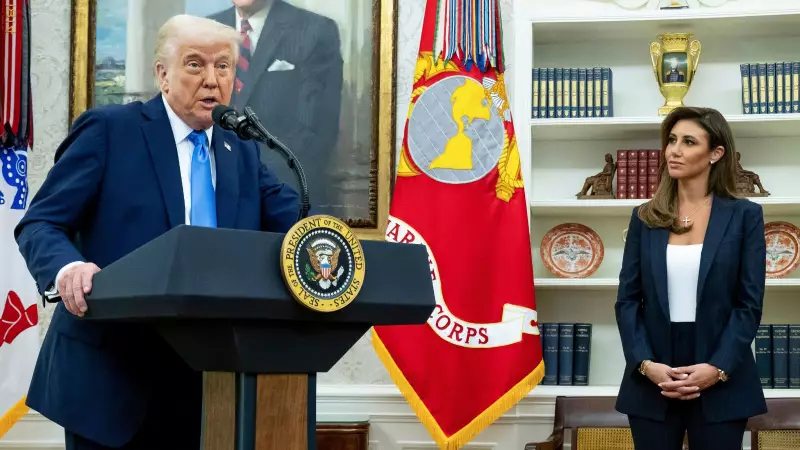
Former United States President Donald Trump has emphasised the critical importance of Israel maintaining an open line of communication with Syria. In a recent interview, the presumptive Republican nominee for the 2024 presidential election articulated his views on Middle Eastern diplomacy and offered sharp criticism of current Israeli leadership.
Trump's Call for Continued Engagement
Donald Trump stated that it is "very important for Israel to keep the dialogue with Syria". This perspective highlights a strategic approach to regional stability, suggesting that engagement, even with adversarial nations, is preferable to complete isolation. His comments come amidst a backdrop of heightened tensions in the region, particularly concerning the ongoing conflict in Gaza.
The former president's stance reflects a continuity from his administration's foreign policy, which at times saw unconventional diplomatic overtures. He did not specify the exact nature or level of dialogue he envisions but underscored its necessity for Israel's long-term security interests.

Scathing Criticism of Netanyahu and Hamas War
In the same interview, Trump delivered pointed remarks about Israeli Prime Minister Benjamin Netanyahu. He was particularly critical of Netanyahu's preparedness for the October 7 Hamas-led attacks, which resulted in significant Israeli casualties and triggered the current war in Gaza.
"He was not prepared. He was not prepared, and Israel was not prepared," Trump asserted. He further claimed that intense focus on judicial overhaul protests within Israel had diverted attention from external security threats, leaving the country vulnerable. This critique marks one of Trump's most direct public rebukes of the Israeli leader, with whom he had a notably close relationship during his presidency.
Trump also commented on the global perception of the conflict, suggesting that Israel is "losing the PR war". This observation points to the growing international scrutiny and criticism of Israel's military campaign in Gaza, which has led to a high number of Palestinian casualties.
Broader Implications for US Foreign Policy
These statements by Donald Trump carry significant weight as he campaigns to return to the White House. They offer a preview of the potential shifts in US foreign policy towards Israel and the Middle East should he win the November election. His advocacy for Israel-Syria dialogue indicates a possible return to a more deal-oriented, bilateral negotiation style, distinct from the current Biden administration's approach.
Furthermore, his public criticism of Netanyahu signals that even a historically supportive US president might adopt a more transactional and publicly demanding stance with Israeli allies. This could reshape the decades-old US-Israel partnership, introducing new dynamics in diplomatic and military cooperation.
The interview underscores the complex and often contentious nature of Middle East diplomacy, where strategic dialogue, security preparedness, and international public opinion are deeply intertwined. Trump's views will likely fuel further debate on America's role in mediating conflicts and supporting its allies in the volatile region.