Trump Dismisses Years of Election Interference Claims, Targets Intelligence Community
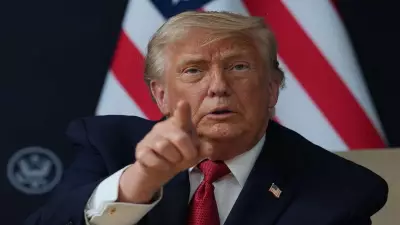
Former President Donald Trump launched a sharp critique against the United States intelligence establishment during his appearance at the National Prayer Breakfast in Washington. In remarks that blended humor with pointed criticism, Trump mocked what he described as America's prolonged obsession with allegations of Russian interference in U.S. elections.
"Russia, Russia, Russia" Becomes Punchline
Trump specifically targeted what he called the shifting narrative around "Russia, Russia, Russia," referencing the years-long investigation into alleged collusion between his 2016 campaign and Moscow. He claimed intelligence officials eventually concluded that Russia had "nothing to do with it," directly challenging the basis of the Mueller investigation that dominated much of his presidency.
The former president characterized the entire episode as the "Russia-gate hoax," reinforcing his long-standing position that the investigation was politically motivated. His comments came as he praised current Director of National and International Intelligence Tulsi Gabbard and Attorney General Pam Bondi, both appointed during his administration.

Expanding the Focus to China
In a significant expansion of his criticism, Trump suggested that China should be added to the list of countries allegedly interfering in American elections. While not providing specific evidence, his remarks indicate a broadening of his administration's focus beyond Russia when discussing foreign election influence.
This represents a notable shift in rhetoric, as Trump's previous comments on election interference had primarily centered on dismissing Russian involvement rather than alleging Chinese meddling. The suggestion comes amid ongoing tensions between Washington and Beijing across multiple fronts including trade, technology, and geopolitical influence.
Context of Ongoing Intelligence Debates
The National Prayer Breakfast remarks occur against a backdrop of:
- Persistent debates about foreign influence in U.S. elections
- Ongoing intelligence community assessments about election security
- Continued political divisions over the legitimacy of the 2016 and 2020 election results
- Growing concerns about disinformation campaigns from multiple foreign actors
Trump's comments highlight the deep polarization surrounding intelligence findings related to election interference, with significant portions of the American public remaining skeptical of official assessments regardless of which administration presents them.
The former president's willingness to publicly ridicule intelligence agencies he once oversaw underscores the unusual nature of current U.S. political discourse around national security matters, particularly those with partisan implications.