President Trump Oversees US Military Action in Iran
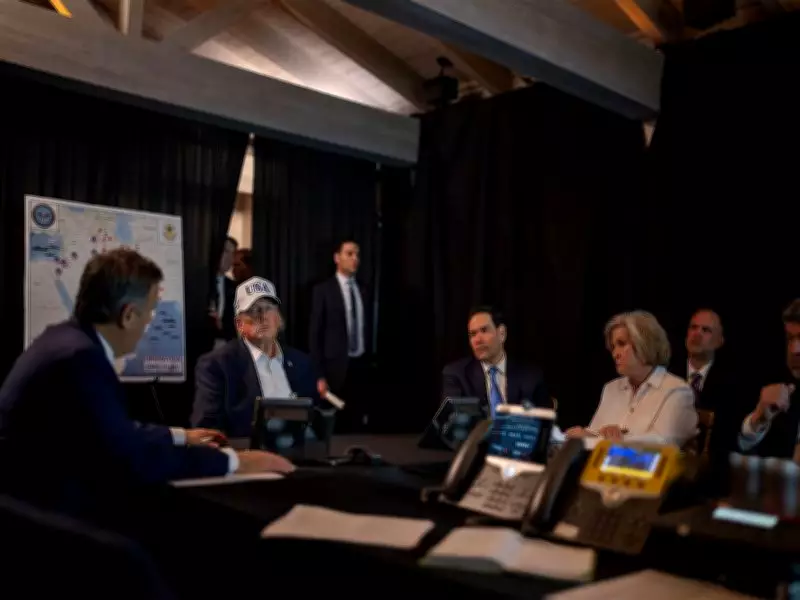
President Donald Trump is actively monitoring United States military operations in Iran, as tensions in the Middle East continue to rise. This development underscores the ongoing strategic engagements by the US armed forces in the region, with the President maintaining a close watch on the situation.
Escalating Tensions in the Middle East
The monitoring of military action comes amid heightened geopolitical strains between the US and Iran. Recent events have prompted increased scrutiny of US military activities, with President Trump overseeing operations to ensure alignment with national security objectives. The situation reflects broader concerns over stability in the Middle East.
Strategic Military Operations Under Scrutiny
US military actions in Iran are being closely supervised by the Trump administration, highlighting the importance of these operations in the current geopolitical landscape. The President's involvement signals a hands-on approach to managing conflicts and safeguarding American interests abroad.

Key aspects of the monitoring include:
- Assessment of military strategies and their effectiveness.
- Coordination with defense officials to address emerging threats.
- Evaluation of regional impacts and potential escalations.
This oversight is part of a broader effort to navigate complex international relations and maintain a proactive stance in global affairs.
Implications for US-Iran Relations
The monitoring of military action by President Trump has significant implications for US-Iran relations. It may influence diplomatic efforts and future engagements between the two nations. As tensions persist, the role of military oversight becomes increasingly critical in shaping outcomes in the region.
Observers note that such actions could lead to further developments in the ongoing conflict dynamics.
In summary, President Trump's monitoring of US military action in Iran highlights the ongoing challenges in the Middle East and the administration's commitment to addressing them through strategic oversight.