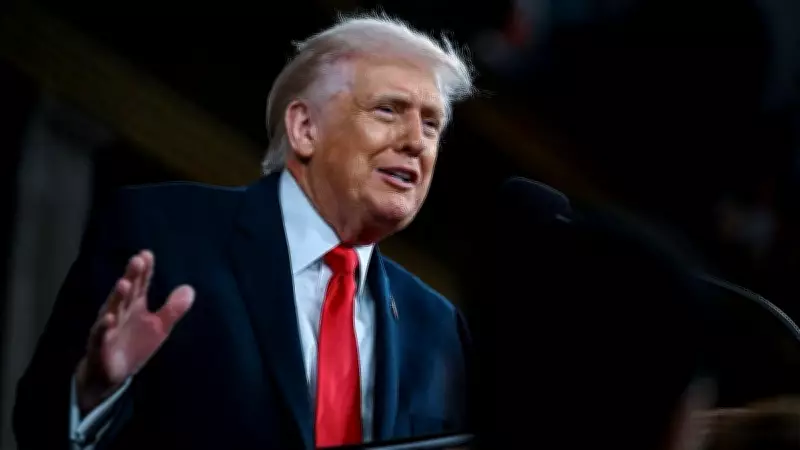
Trump Reiterates Diplomatic Preference on Iran While Keeping Military Options Open
In a recent statement, former United States President Donald Trump has clarified his stance on the ongoing tensions with Iran, emphasizing a preference for diplomatic solutions while firmly maintaining that all strategic options remain on the table. This nuanced position underscores the complex dynamics of US-Iran relations, which have been marked by periods of heightened conflict and cautious engagement over the years.
Diplomacy as the Primary Path Forward
Trump articulated that his foremost approach to addressing issues with Iran is through diplomatic channels. He highlighted the importance of negotiation and dialogue in resolving disputes, suggesting that peaceful means are often more effective in achieving long-term stability. This perspective aligns with traditional foreign policy strategies that prioritize de-escalation and conflict resolution without resorting to force.
However, Trump was quick to add that diplomacy does not equate to weakness. He stressed that the United States must project strength and readiness to protect its interests and allies in the region. This dual emphasis on both soft and hard power reflects a broader strategy aimed at deterring potential threats while exploring avenues for cooperation.

Keeping All Options Available
Despite his preference for diplomacy, Trump made it clear that he is not ruling out any measures, including military action, if deemed necessary. He stated that the US must be prepared to respond decisively to any provocations or threats from Iran, ensuring national security is not compromised. This stance is consistent with his previous administrations policies, which often involved a mix of economic sanctions, strategic alliances, and military posturing.
The former president's comments come at a time when Iran continues to be a focal point in global geopolitics, with issues ranging from nuclear ambitions to regional influence sparking international concern. By keeping options open, Trump aims to maintain leverage in any future negotiations, a tactic that has been employed by various US administrations to navigate the volatile Middle East landscape.
Implications for US Foreign Policy
Trump's remarks have significant implications for current and future US foreign policy towards Iran. They signal a continued commitment to a multifaceted approach that balances engagement with firmness. Key points include:
- Diplomatic Engagement: Prioritizing talks and agreements to address core issues such as nuclear proliferation and regional stability.
- Strategic Flexibility: Retaining the ability to escalate responses, including economic sanctions or military actions, based on evolving circumstances.
- Alliance Coordination: Working closely with international partners to present a united front and enhance diplomatic efforts.
This approach is designed to adapt to the unpredictable nature of Iran's actions, ensuring that the US can respond effectively to both opportunities and challenges. As tensions persist, Trump's stance highlights the ongoing need for a careful and calculated strategy in dealing with one of the world's most contentious relationships.