

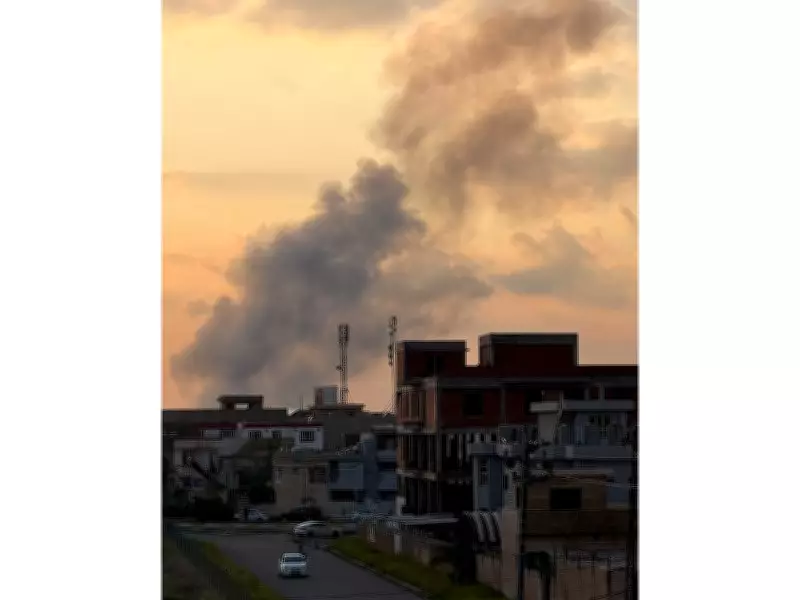
Lebanese Lawmaker Alleges Trump Succumbed to Iranian Pressure in Israel-Lebanon Ceasefire
A Lebanese Member of Parliament has made a striking claim regarding the dynamics behind a recent ceasefire agreement between Israel and Lebanon. According to the MP, former United States President Donald Trump was compelled to yield to significant pressure from Iran, which in turn forced Israeli Prime Minister Benjamin Netanyahu to consent to the ceasefire deal. This assertion sheds light on the complex geopolitical interplay in the Middle East, where regional powers often exert influence over international negotiations.
Details of the Alleged Pressure and Ceasefire Agreement
The MP, whose identity has been linked to Lebanese political circles, stated that Iran's strategic maneuvers and diplomatic weight played a pivotal role in shaping the outcome. Trump, during his tenure, reportedly faced mounting pressure from Iranian authorities, who leveraged their regional clout to push for concessions. As a result, Netanyahu was allegedly pressured by the US administration to agree to the ceasefire, which aimed to de-escalate tensions along the Israel-Lebanon border. The deal, though not formally detailed in public records, is said to involve temporary halts in hostilities and potential diplomatic engagements.
This incident underscores the ongoing volatility in Middle Eastern relations, where ceasefires are often fragile and influenced by external actors. The MP's comments suggest that Iran's involvement was a key factor, highlighting its growing influence in regional affairs. Analysts note that such claims, if verified, could indicate a shift in US foreign policy under Trump, where American decisions were swayed by Iranian demands, contrary to traditional stances.

Implications for Regional Stability and International Relations
The allegations raise important questions about the stability of ceasefire agreements in conflict zones. If true, this scenario demonstrates how superpower diplomacy can be manipulated by regional players, potentially undermining long-term peace efforts. For Israel and Lebanon, the ceasefire deal, though a temporary relief, may be viewed as a product of external coercion rather than mutual agreement, which could affect its sustainability.
Moreover, this development impacts international relations, particularly between the US, Iran, and Israel. It reflects the intricate balance of power in the Middle East, where Iran's assertive policies continue to challenge US and Israeli interests. The MP's statement adds to the discourse on how ceasefires are negotiated, emphasizing the role of hidden pressures and geopolitical strategies.
Key Points from the MP's Claims:- Trump allegedly gave in to Iranian pressure during negotiations.
- Netanyahu was forced by the US to agree to the ceasefire with Lebanon.
- The deal is part of broader regional tensions involving Iran's influence.
- This highlights the fragility of Middle Eastern ceasefires and external interventions.
In summary, the Lebanese MP's allegations provide a controversial perspective on the Israel-Lebanon ceasefire, suggesting that Trump's acquiescence to Iran played a decisive role. As facts continue to emerge, this story underscores the need for transparent diplomacy in conflict resolution to ensure lasting peace in the region.

