

Trump Reviews Iran's 14-Point Proposal
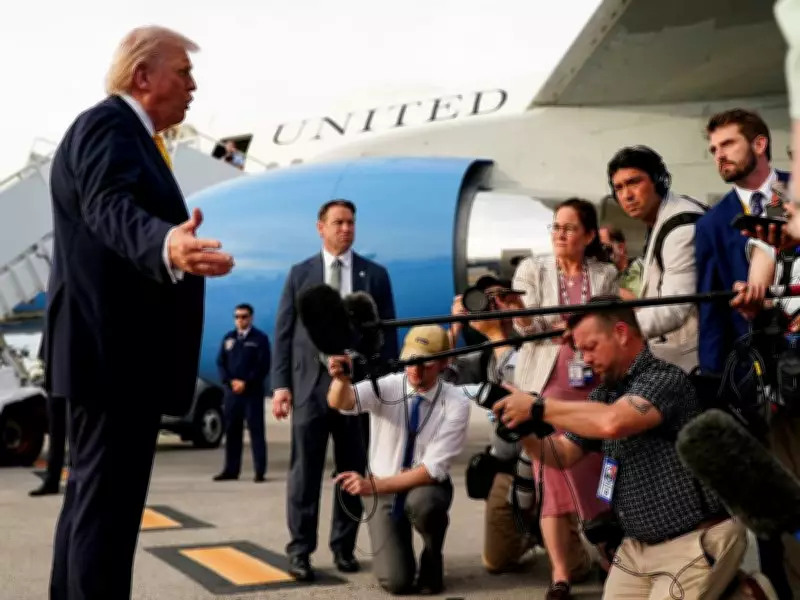
President Donald Trump has stated that his administration is reviewing Iran's latest 14-point proposal, but he expressed strong skepticism about its acceptability. Speaking to reporters, Trump said, "I can't imagine it will be acceptable." The proposal, submitted by Iranian officials, aims to address several longstanding issues between the two nations, including nuclear activities and regional conflicts.
Details of the Proposal
The 14-point plan reportedly includes commitments from Iran to limit uranium enrichment, allow international inspections, and reduce support for proxy groups in the Middle East. In return, Iran seeks relief from economic sanctions and guarantees for its security. However, Trump emphasized that the United States will not make concessions easily. "We have the strongest sanctions in history on Iran. They are suffering. They want to negotiate, but we have to see what they offer," he added.
Reactions from the Administration
Secretary of State Marco Rubio echoed Trump's cautious stance, stating that the proposal is being examined thoroughly but that past Iranian deceptions make it hard to trust. National Security Advisor Mike Waltz noted that the U.S. is coordinating with allies, including Israel and European partners, to assess the proposal's viability. Meanwhile, some Republican lawmakers have urged the administration to reject any deal that does not completely dismantle Iran's nuclear program.

Iran's Position
Iranian Foreign Minister Abbas Araghchi defended the proposal, calling it a "balanced and constructive" initiative. He warned that if the U.S. rejects it, Iran would accelerate its nuclear activities. Tensions have been high since the U.S. withdrew from the 2015 nuclear deal in 2018, leading to increased uranium enrichment by Iran.
Next Steps
The White House has not set a deadline for a decision, but Trump hinted that a formal response could come within weeks. Analysts suggest that even if the proposal is rejected, it could serve as a basis for future negotiations. The situation remains fluid, with both sides signaling openness to dialogue but maintaining tough rhetoric.

