Trump's Shocking Claim on Iran's Supreme Leader Ignites Global Controversy
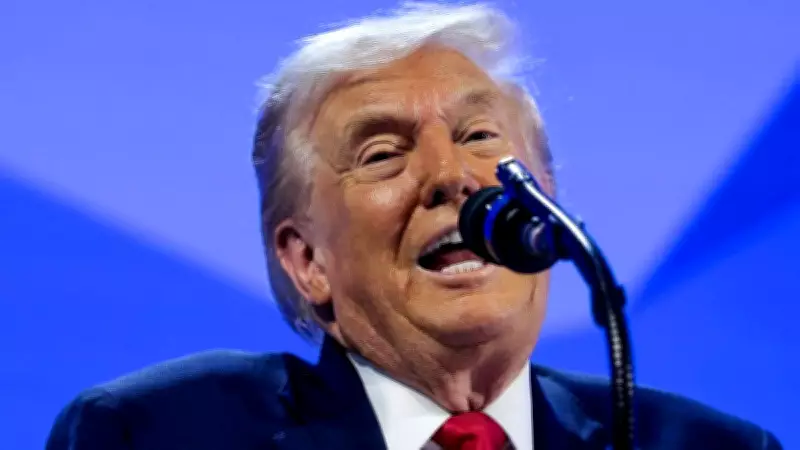
In a statement that has sent shockwaves through international diplomatic circles, former United States President Donald Trump has asserted that Iran's Supreme Leader, Ayatollah Ali Khamenei, is deceased. This declaration, made during a recent public appearance, has immediately triggered a flurry of reactions from governments, analysts, and media outlets worldwide, casting a spotlight on the already strained relations between the US and Iran.
Details of Trump's Assertion and Immediate Fallout
Trump, known for his provocative rhetoric, did not provide any verifiable evidence or sources to substantiate his claim about Khamenei's death. Instead, he framed it as a matter of public knowledge, suggesting that the Iranian leadership is concealing the truth. This has led to widespread speculation and concern, particularly given the critical role Khamenei plays in Iran's political and religious hierarchy as the country's ultimate authority.
In response, Iranian officials have swiftly and categorically denied Trump's statement, labeling it as baseless and politically motivated. Government spokespersons in Tehran have emphasized that Khamenei is alive and actively fulfilling his duties, urging the international community to disregard what they describe as misinformation aimed at destabilizing Iran.

Historical Context and Broader Implications
This incident occurs against a backdrop of longstanding tensions between the US and Iran, which have escalated in recent years over issues such as nuclear agreements, regional conflicts, and economic sanctions. Trump's presidency was marked by a hardline stance towards Iran, including the withdrawal from the Iran nuclear deal and the imposition of stringent sanctions, which have exacerbated hostilities.
The claim about Khamenei's death, if proven false, could further erode trust and complicate diplomatic efforts, potentially impacting global security and Middle Eastern stability. Experts warn that such statements might be used to manipulate public opinion or justify aggressive policies, highlighting the volatile nature of US-Iran relations.
Global Reactions and Media Coverage
International reactions have been mixed, with some allies expressing skepticism and calling for restraint, while others have remained silent, awaiting official clarifications. Media outlets across the globe are extensively covering the story, analyzing its potential consequences for geopolitics and regional dynamics.
Key points of discussion include:
- Credibility Concerns: Questions about the reliability of Trump's sources and the timing of his statement.
- Diplomatic Ramifications: How this claim might affect ongoing negotiations or conflicts involving Iran.
- Public Perception: The impact on Iranian citizens and global audiences, who may be confused by conflicting reports.
As the situation unfolds, observers are closely monitoring for any updates from Iranian state media or official channels that could provide clarity. The episode underscores the challenges of navigating misinformation in an era of rapid news dissemination and political polarization.