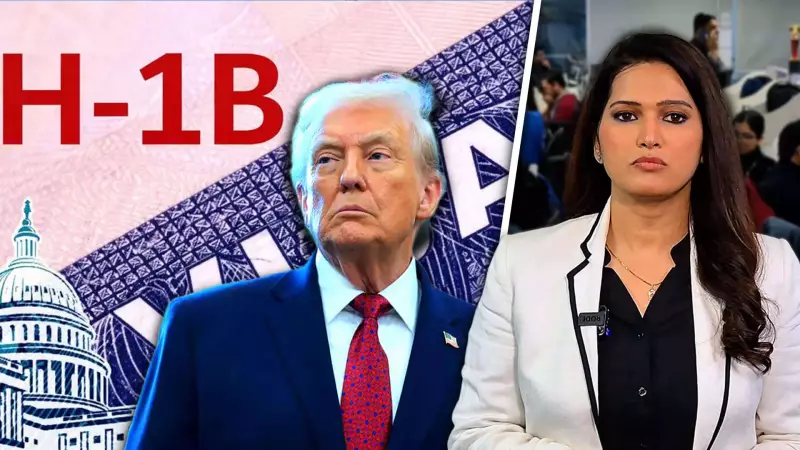
In a move set to reshape the landscape of skilled immigration to the United States, President Donald Trump has officially terminated the decades-old H-1B visa lottery system. Announced on December 24, 2025, the overhaul replaces random selection with a new framework that prioritizes applicants based on their salary offers and skill level. The administration contends this reform will protect American workers, but critics warn it creates a privileged, pay-to-enter model for US immigration.
The End of the Lottery: A New Merit-Based System
The cornerstone of the new policy is the elimination of the computerised random draw, known as the H-1B lottery. Under the previous system, a cap on visas meant that even highly qualified candidates could be denied entry purely by chance if applications exceeded the annual limit. The Trump administration has argued that this mechanism was exploited by some companies to import cheaper foreign labour, thereby undercutting wages for American workers.
The reformed process will now rank visa petitions. Higher salary offers will correspond to higher rankings, effectively ensuring that the most high-paying job offers in specialised fields are granted visas first. Furthermore, the administration has introduced a substantial visa application fee of $100,000, a significant increase aimed at deterring what it views as frivolous or cost-saving petitions.

Immediate Ripple Effects for Indian Professionals
The impact of this seismic policy shift will be felt most acutely in India, which has historically been the largest beneficiary of the H-1B program. For years, the visa has been a primary gateway for Indian IT professionals, engineers, and other skilled workers to build careers in the United States.
Industry experts suggest the new salary-centric model presents a dual challenge for Indian applicants. Firstly, it advantages senior professionals and those in high-paying sectors like finance or specialised tech over younger, entry-level Indian graduates who typically start at lower salary bands. Secondly, the exorbitant $100,000 fee places a massive financial burden on both applicants and sponsoring companies, potentially pricing out smaller firms and individual candidates.
This creates a scenario where the US job market becomes markedly less accessible for the young Indian talent pool that once relied on the lottery for an equal chance. The move is likely to force Indian tech giants and startups to recalibrate their global hiring and deployment strategies significantly.
Criticism and the Road Ahead
While the White House frames the change as a necessary protection for domestic employment and a move towards a merit-based system, opposition has been swift. Critics, including immigration advocates and business leaders, argue that the policy fundamentally transforms skilled immigration into a system accessible only to the highest bidders or the largest corporations.
They contend that innovation often comes from young, talented individuals who may not command top-tier salaries immediately but possess critical skills and long-term potential. The fear is that the US could lose out on this demographic, potentially redirecting global talent to competitors like Canada, Australia, and within the growing tech ecosystems of Europe and India itself.
The announcement on December 24, 2025, sets the stage for a transformed relationship between the US and global tech talent. For India, a nation deeply intertwined with the H-1B program's fate, the coming years will require strategic adaptation to this new, more exclusive reality of American immigration.