

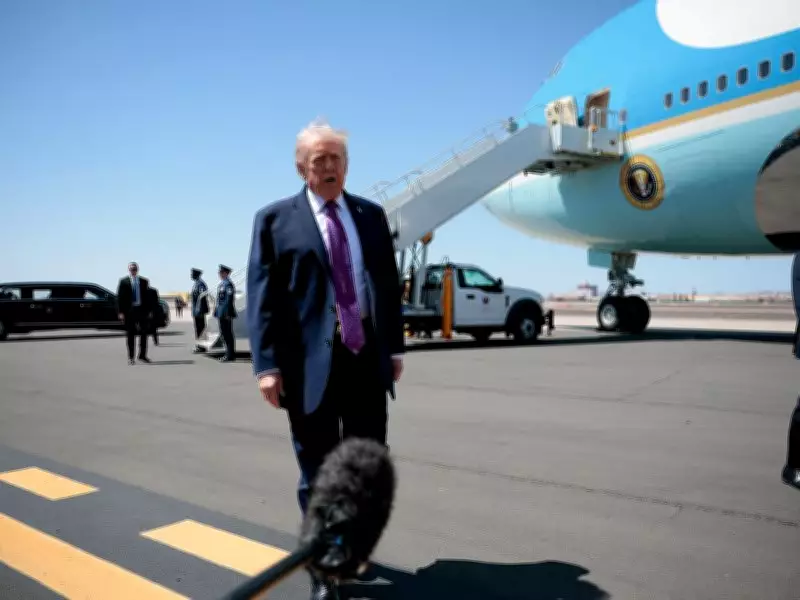
Trump Hints at Potential End to Iran Ceasefire, Sparking Diplomatic Concerns
Former United States President Donald Trump has publicly signaled significant uncertainty regarding the extension of the current ceasefire agreement with Iran, a development that could have profound implications for Middle East stability and international relations. In a recent statement, Trump remarked, "Maybe I won't extend it," directly referencing the ongoing diplomatic arrangement aimed at de-escalating tensions between the two nations.
Background of the Ceasefire Agreement
The ceasefire between the United States and Iran was established as a temporary measure to reduce hostilities and foster dialogue following a period of heightened conflict. This agreement has been a cornerstone of recent efforts to manage the volatile relationship, which has been marked by economic sanctions, military posturing, and regional proxy conflicts. The ceasefire has allowed for a fragile peace, but its future has always been contingent on mutual compliance and political will from both sides.
Trump's Remarks and Their Implications
Trump's comments introduce a new layer of unpredictability into an already complex geopolitical landscape. By suggesting he might not extend the ceasefire, he raises questions about the continuity of US foreign policy under his potential influence, especially as discussions about his political future continue. Analysts note that such uncertainty could undermine diplomatic efforts, potentially leading to renewed tensions or even a breakdown in negotiations if Iran perceives the US as unreliable.

Key points from Trump's statement include:
- A direct challenge to the status quo of the ceasefire, which has been maintained through careful diplomacy.
- Potential shifts in US strategy toward Iran, possibly aligning with a more hardline approach.
- Concerns from international allies about the stability of peace initiatives in the region.
Reactions and Global Impact
The international community has reacted with caution to Trump's remarks. Diplomatic sources indicate that European nations and other stakeholders are closely monitoring the situation, as any disruption to the ceasefire could have ripple effects across the Middle East, affecting oil markets, security alliances, and humanitarian efforts. In Iran, officials have yet to issue a formal response, but internal discussions are likely focused on contingency planning should the ceasefire lapse.
Experts warn that if the ceasefire is not extended, it could lead to:
- Increased military confrontations or proxy conflicts in the region.
- Economic instability due to potential reimposition of sanctions or trade disruptions.
- A setback for broader peace talks involving other Middle Eastern countries.
Looking Ahead: What This Means for Future Diplomacy
Trump's uncertainty highlights the fragile nature of international agreements and the role of leadership in sustaining them. As the deadline for extending the ceasefire approaches, all eyes will be on Washington and Tehran to see how they navigate this diplomatic challenge. The outcome could set a precedent for how future administrations handle similar situations, emphasizing the need for clear and consistent foreign policy to maintain global stability.
In summary, Trump's signal of uncertainty on extending the Iran ceasefire adds a significant variable to an already tense geopolitical equation, with potential consequences for peace, security, and economic interests worldwide.

