Trump Urges Republicans to 'Nationalize' US Elections, Repeats Fraud Claims
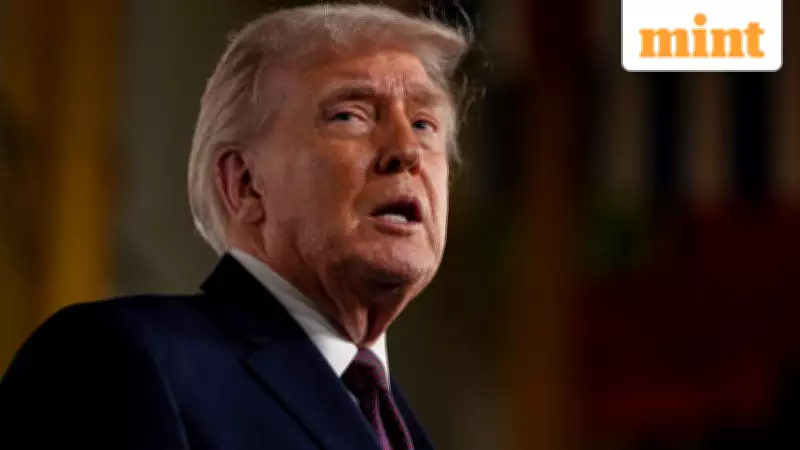
Former US President Donald Trump has called on Republicans to "nationalize" elections and "take over" voting processes in at least 15 locations, renewing his long-standing but unsubstantiated claims that American elections suffer from widespread fraud. Speaking during an appearance on The Dan Bongino Show podcast on February 2, Trump did not specify which states or areas he was targeting, nor did he outline how such a takeover would be practically implemented.
What Trump's 'Nationalization' Proposal Entails
Trump's remarks suggest a significant shift in the control of elections from individual states to a centralized federal authority or a nationally managed system. Currently, elections in the United States are administered by states and local jurisdictions, which handle crucial aspects such as voter registration, ballot counting, voting machine operations, and the certification of final results.
During the podcast, Trump made sweeping accusations against several states, stating, "We have states that are so crooked and they're counting votes. We have states that I won that show I didn't win." He further tied his call for nationalized elections to claims about immigrants voting illegally, asserting, "These people were brought to our country to vote, and they vote illegally," despite no evidence supporting such allegations, as only US citizens are legally permitted to vote in federal and state elections.

Constitutional and Legal Challenges to Federalizing Elections
Under the US Constitution, states hold primary responsibility for conducting elections, with the federal government having limited authority to set nationwide rules, such as voting rights protections. Legal experts emphasize that any attempt to federalize or "nationalize" elections would face steep constitutional barriers and likely trigger immediate legal challenges from states defending their autonomy.
Pushback has also emerged from within Trump's own party. Republican Representative Don Bacon publicly opposed the idea on social media, stating, "I opposed nationalizing elections when Speaker Pelosi wanted major changes to elections in all 50 states. I'll oppose this now as well." This internal dissent highlights the controversial nature of Trump's proposal among GOP members.
Context and Timing of Trump's Comments
Trump's comments come just days after the FBI executed a search warrant at a Fulton County elections center near Atlanta, as part of an ongoing investigation related to the 2020 presidential election. Georgia is among the states that Trump continues to falsely claim were stolen from him, despite repeated court rulings and official reviews finding no evidence of widespread fraud.
Referring to developments in Georgia, Trump hinted, "Now, you're going to see something in Georgia… You're going to see some interesting things come out." His remarks are particularly significant ahead of the November midterm elections, which will determine control of Congress and could influence future election policies.
Why These Remarks Matter
Trump's call to nationalize elections underscores ongoing debates about election integrity and federal versus state authority in the US political landscape. As the midterm elections approach, such statements may fuel further polarization and legal battles over voting processes, while raising questions about the GOP's stance on election administration reforms.