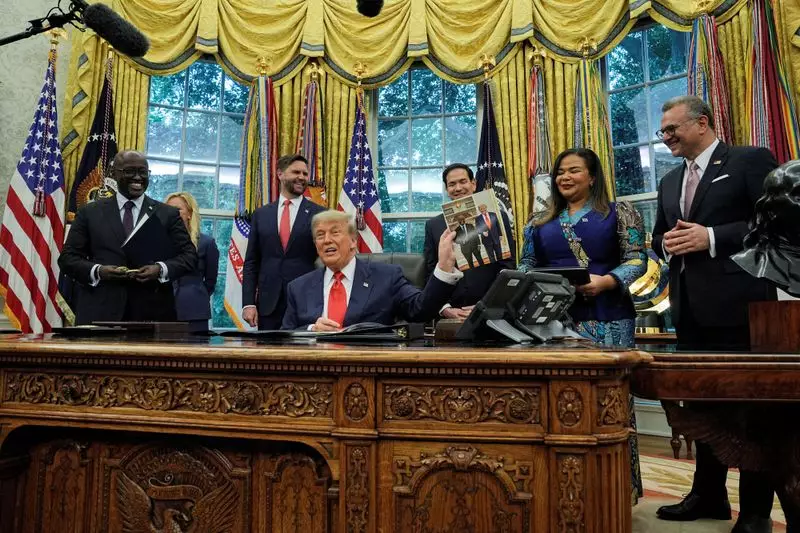
Former United States President Donald Trump has made a dramatic call for America to boycott the upcoming G20 summit in South Africa, describing the country's treatment of white farmers as a total disgrace that warrants strong international action.
The Controversial Statement
In a strongly worded declaration that has stirred international debate, Trump stated that the United States should completely avoid participating in the G20 leaders' summit scheduled to be hosted by South Africa. The former president's comments specifically targeted what he characterized as discriminatory practices against white agricultural landowners in the African nation.
The summit is planned for New Delhi in September 2023, bringing together leaders from the world's largest economies to discuss critical global issues. However, Trump's intervention has shifted attention to South Africa's domestic policies and their potential impact on international diplomatic engagements.

Background of the Farmer Issue
The controversy centers around land reform policies in South Africa that aim to address historical inequalities stemming from the apartheid era. These policies have involved discussions about land redistribution, which some critics argue disproportionately affects white farmers who currently own significant portions of agricultural land.
Trump's statement reflects ongoing concerns among certain international observers about the safety and property rights of white farmers in South Africa. The former president framed the situation as a human rights issue that should trigger consequences in international forums.
This is not the first time Trump has commented on this sensitive matter. During his presidency, he had previously drawn attention to the land reform debates in South Africa, generating both support and criticism for his stance on the issue.
Potential Diplomatic Consequences
The call for a G20 boycott represents a significant escalation in how international figures are responding to South Africa's domestic policies. If influential political figures in the United States were to embrace Trump's position, it could create substantial diplomatic complications for both countries.
International summits like the G20 serve as crucial platforms for addressing global economic challenges, climate change, and international security concerns. A boycott by any major participant, particularly the United States, would undermine the collective nature of these discussions and potentially fragment global cooperation efforts.
The timing of Trump's statement is particularly sensitive as world leaders prepare for important negotiations on multiple fronts, including economic recovery post-pandemic and addressing ongoing geopolitical tensions.
Reactions and Implications
While Trump currently holds no official government position, his influence within the Republican Party and among conservative voters means his statements can shape foreign policy debates in the United States. The Biden administration now faces pressure to respond to these comments while maintaining diplomatic relations with South Africa.
South African officials have consistently defended their land reform initiatives as necessary corrective measures to address historical injustices. They argue that these policies are implemented within legal frameworks and aim to create a more equitable society.
The controversy highlights how domestic policies in one country can increasingly become subjects of international scrutiny and potentially affect multilateral cooperation. It also demonstrates the evolving nature of diplomatic relations in an interconnected world where human rights concerns and economic interests frequently intersect.
As the scheduled G20 summit approaches, all eyes will be on how the United States government navigates this sensitive situation while balancing its commitment to human rights with the practical necessities of international diplomacy and global economic cooperation.