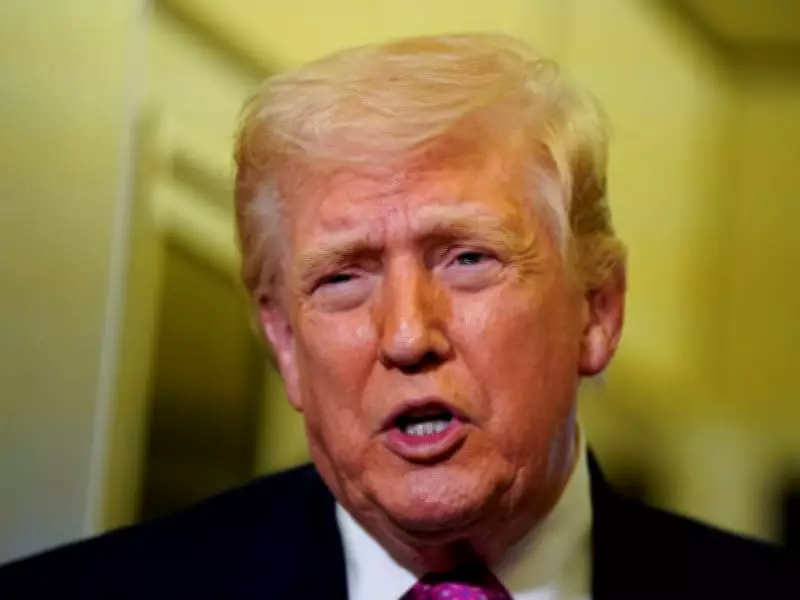
Trump Vows to Maintain Blockade as Iran Seeks Hormuz Reopening to Make $500 Million Daily
In a significant development in US-Iran relations, former President Donald Trump has publicly vowed to uphold the American blockade on Iran. This declaration comes as Tehran intensifies its efforts to reopen the strategically vital Strait of Hormuz, aiming to generate an estimated $500 million daily from oil exports. The situation underscores the ongoing geopolitical tensions and economic pressures in the region.
Trump's Firm Stance on Iran Policy
Donald Trump, a key figure in US politics, reiterated his commitment to maintaining a hardline approach towards Iran. During a recent statement, he emphasized that the blockade, which restricts Iran's access to international markets and financial systems, must remain in place. Trump argued that this policy is essential for curbing Iran's nuclear ambitions and regional influence, aligning with his administration's previous actions that included withdrawing from the Iran nuclear deal and imposing stringent sanctions.
This stance reflects broader US strategic interests in the Middle East, where Iran is viewed as a destabilizing force. Trump's vow signals potential continuity in US foreign policy should he return to power, impacting global oil markets and diplomatic relations.

Iran's Push to Reopen the Strait of Hormuz
On the other side, Iran is aggressively seeking to reopen the Strait of Hormuz, a critical maritime chokepoint through which about one-fifth of the world's oil passes. Iranian officials have highlighted that reopening the strait could allow the country to export oil freely, potentially earning up to $500 million per day. This move is seen as a direct response to the economic hardships caused by US sanctions and the blockade.
The Strait of Hormuz is not only vital for Iran's economy but also for global energy security. Any disruption or reopening efforts could lead to significant fluctuations in oil prices and supply chains. Iran's strategy involves leveraging its control over the strait to negotiate relief from sanctions and regain its position in the international oil market.
Economic and Geopolitical Implications
The confrontation between Trump's blockade vow and Iran's reopening plans has far-reaching consequences. Economically, Iran's potential $500 million daily revenue from oil exports could alleviate its financial crisis, but it depends on bypassing US restrictions. Geopolitically, this standoff risks escalating into broader conflicts, affecting regional stability and international relations.
- Oil Market Volatility: Reopening the Strait of Hormuz could increase global oil supply, potentially lowering prices, but US opposition might lead to tensions that disrupt trade.
- Diplomatic Strains: The US-Iran rivalry complicates efforts by other nations to mediate or engage with Tehran, impacting multilateral diplomacy.
- Security Concerns: Military posturing around the strait raises the risk of incidents that could trigger wider hostilities.
Broader Context and Future Outlook
This news emerges against a backdrop of longstanding US-Iran animosity, with the blockade being a central tool in US policy to pressure Iran. Trump's vow reinforces his image as a tough negotiator, while Iran's reopening bid demonstrates its resilience and strategic maneuvering. The outcome will likely influence upcoming political dynamics in both countries and shape global energy policies.
As tensions persist, stakeholders including other Middle Eastern nations, international oil companies, and global powers are closely monitoring developments. The situation highlights the intricate balance between economic interests and security priorities in one of the world's most volatile regions.